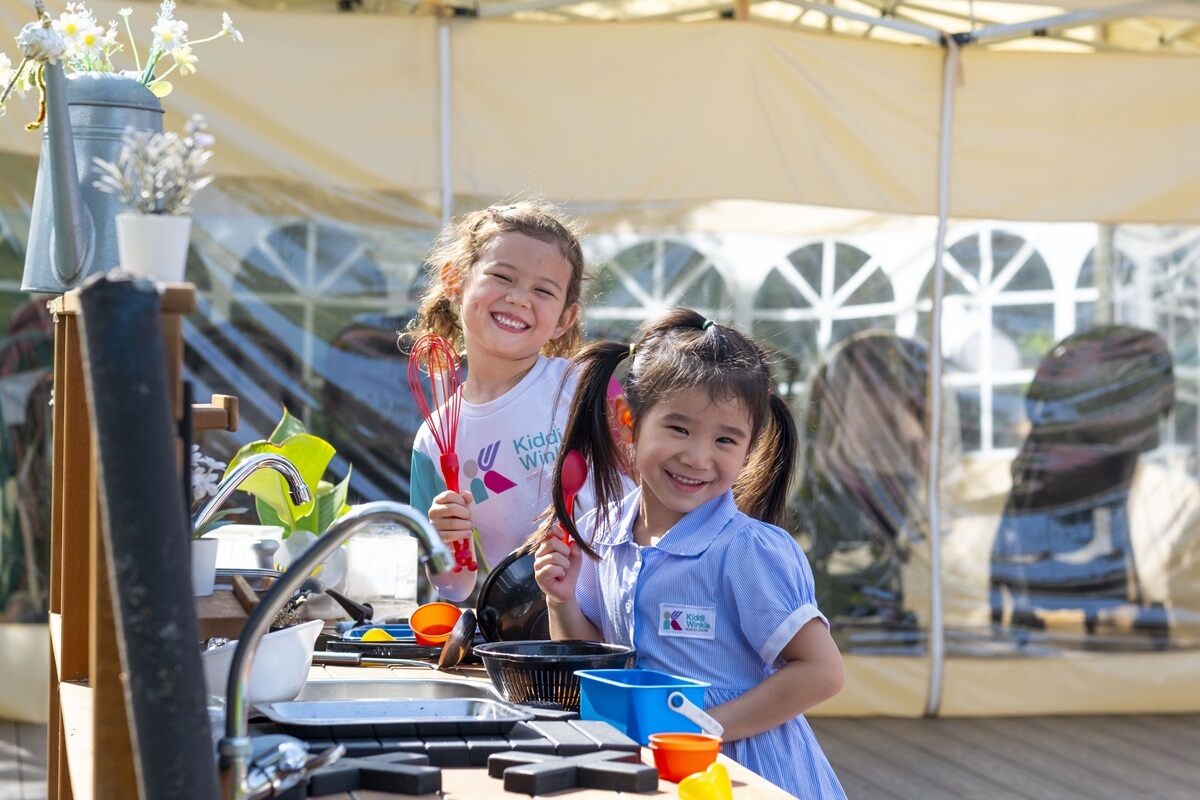
When most people think of play, they picture children laughing, running around, or inventing imaginary scenarios. While play certainly brings joy, it is also one of the most powerful tools for learning in the early years.
Research has shown that play supports children’s development holistically - building their cognitive, social, emotional, and physical abilities in ways that traditional instruction alone cannot achieve.
At KiddiWinkie Schoolhouse, play is not just a pastime but the very foundation of our preschool programmes. By engaging in different forms of play, children learn to make sense of the world around them while gaining skills that prepare them for school and beyond.
1. Physical Play
Physical play involves active movement and coordination.
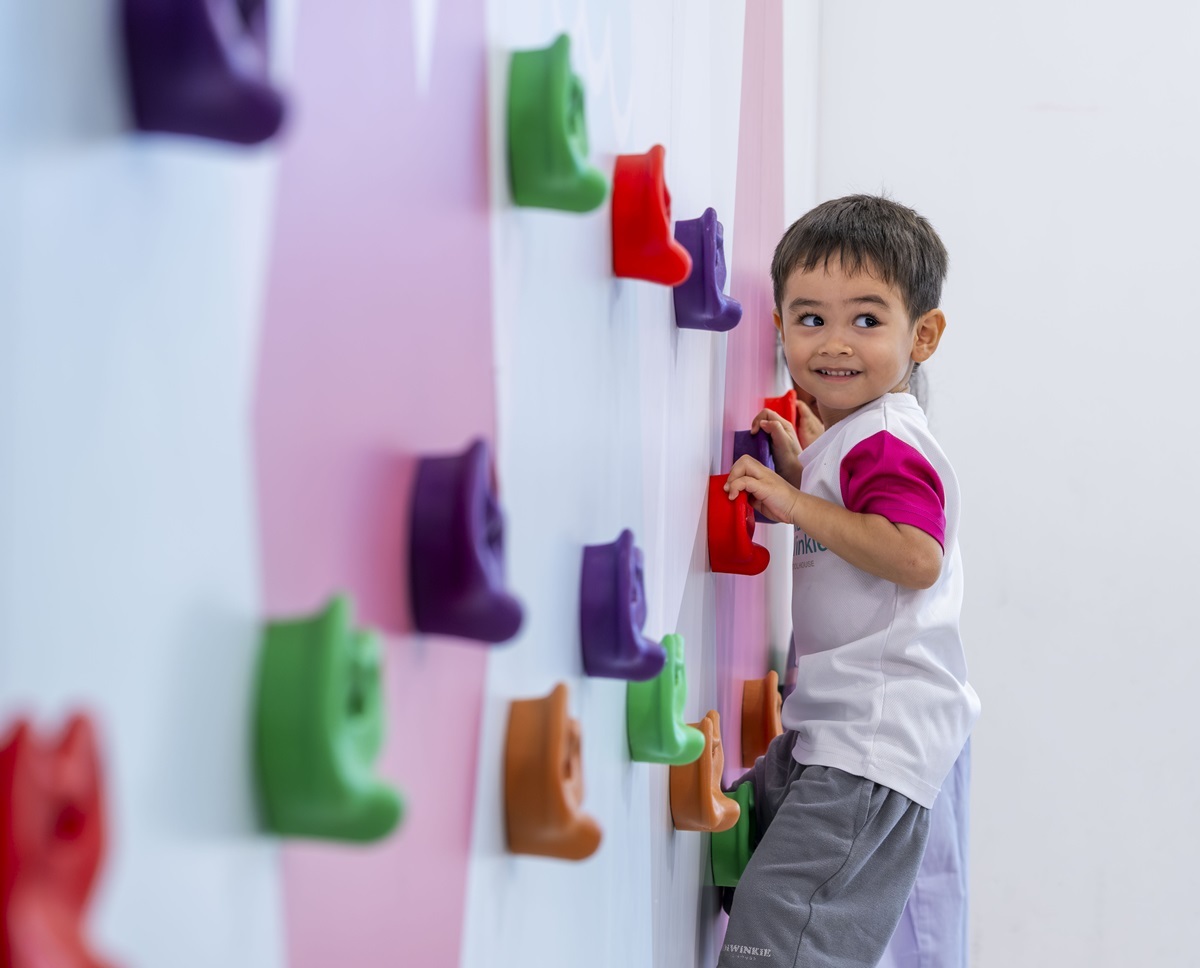
When children run, jump, climb, or dance, they are not only releasing energy but also strengthening their muscles, balance, and motor control. These activities lay the groundwork for physical health while giving children a sense of independence and confidence in their abilities.
Something as simple as navigating a playground structure or kicking a ball with friends helps them build resilience and perseverance, skills that will serve them well later in life.
Key takeaway: Physical play builds strength, confidence, and healthy habits.
2. Constructive Play
Constructive play emerges when children build, design, or create something tangible.
Whether stacking blocks, piecing together LEGO structures, moulding clay, or designing craft projects, children learn cause and effect, spatial awareness, and problem-solving as they experiment.
The satisfaction of creating something from their imagination encourages persistence and innovation, sparking the kind of creativity that will help them tackle challenges in the future.
Key takeaway: Constructive play encourages creativity, persistence, and problem-solving.
3. Pretend or Imaginative Play
Pretend play allows children to explore roles, identities, and social interactions in a safe and open-ended way.
When a child becomes a doctor treating patients, a chef whipping up meals, or a superhero saving the day, they are practising empathy, perspective-taking, and storytelling.
Language skills flourish during this kind of play as children experiment with new vocabulary and construct narratives. Beyond language, pretend play also helps them process real-life experiences and emotions, offering a healthy outlet for expression and self-discovery.
Key takeaway: Imaginative play nurtures empathy, language, and self-expression.
4. Social or Cooperative Play
As children grow, social and cooperative play becomes increasingly important. This type of play involves working together with peers, negotiating roles, and collaborating toward shared goals.
Group activities such as team games, building projects, or board games teach children how to communicate, resolve conflicts, and respect others’ perspectives. The ability to navigate social dynamics during play helps them build friendships, manage emotions, and develop confidence in group settings - all of which are critical skills as they move into formal schooling.
Key takeaway: Social play develops teamwork, communication, and emotional resilience.
5. Exploratory or Sensory Play
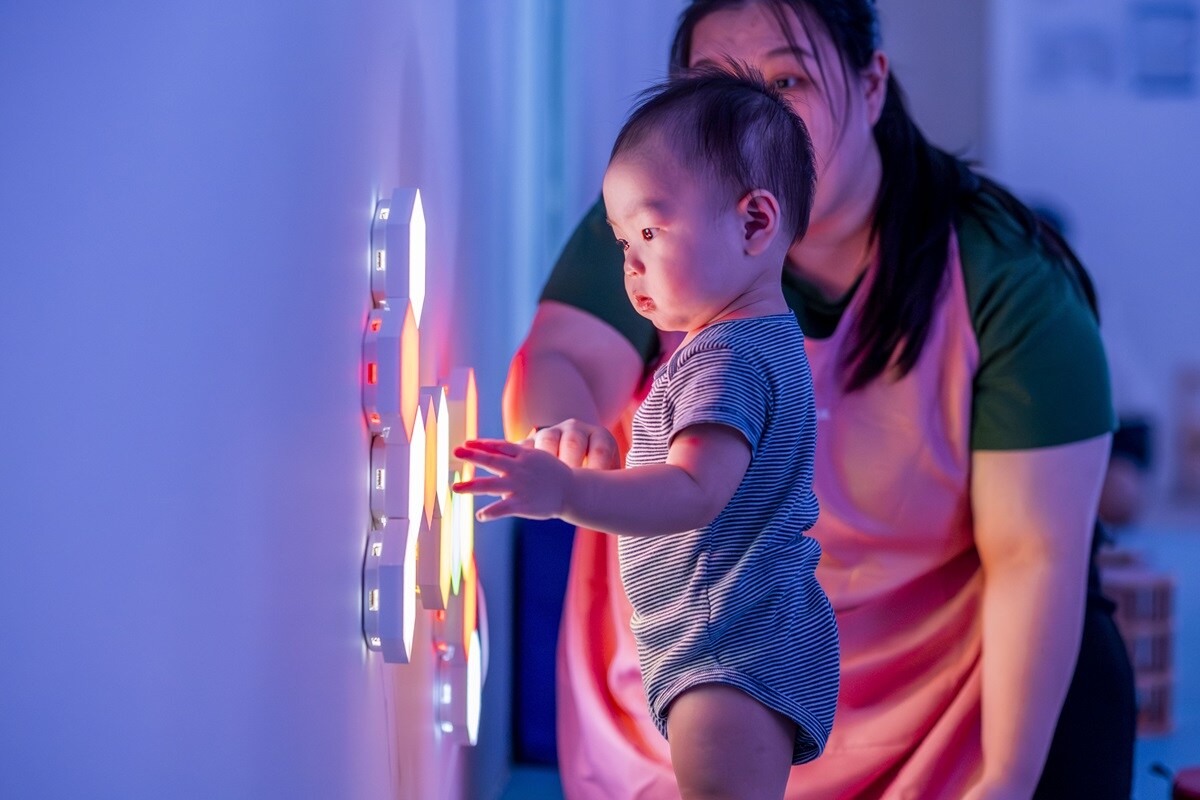
Exploratory play taps into children’s natural curiosity by engaging their senses. From squishing playdough and pouring water to exploring textures in nature, children learn about their environment through hands-on discovery.
This form of play is especially important in the early years, as it lays the foundation for inquiry-based learning. By experimenting, observing, and discovering, children develop focus, patience, and a keen interest in the world around them. Sensory-rich activities also support brain development by strengthening neural connections tied to problem-solving and memory.
Key takeaway: Sensory play builds curiosity, focus, and brain connections.
6. Guided Inquiry Play
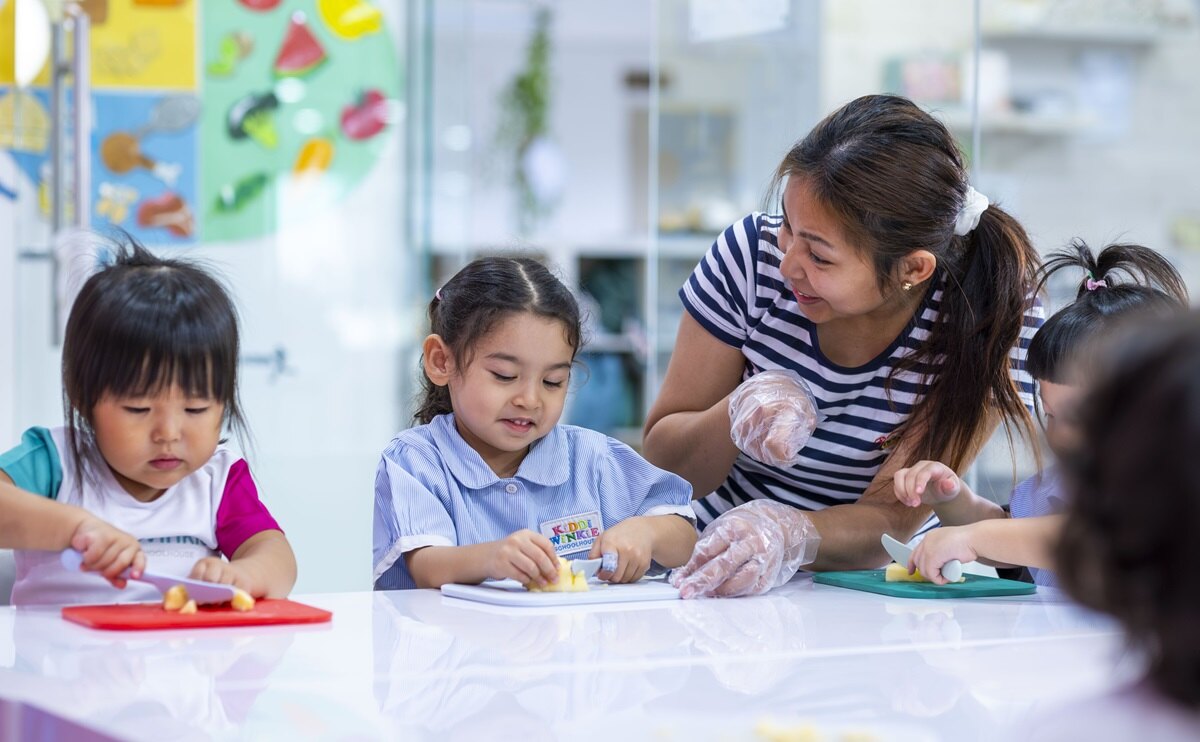
As children mature, play often becomes more structured, evolving into guided inquiry where teachers play a facilitating role.
In this form of play, children are encouraged to ask questions, investigate ideas, and collaborate with peers while adults provide support and guidance. Activities such as simple science experiments, nature explorations, or project-based tasks give children opportunities to think critically, test hypotheses, and share their findings with others.
Guided inquiry builds confidence in expressing ideas, nurtures independent thinking, and empowers children to become active participants in their own learning journey.
Key takeaway: Guided inquiry play fosters independence, curiosity, and critical thinking.
Play in Action at KiddiWinkie Schoolhouse
At KiddiWinkie Schoolhouse, our Natural Rhythm® pedagogy is built on Care, Movement, and Curiosity, creating a balance between nurturing relationships, encouraging active engagement, and sparking exploration.
Through our Inquiring Minds curriculum, play takes centre stage as one of the most powerful ways for young children to learn. Rooted in a purposeful play-based curriculum, our approach reflects the best of holistic preschool learning, where every experience - from free play to structured inquiry - contributes to a child’s overall development.
We begin with exploratory play in infancy and toddlerhood, allowing children to observe, interact, and discover at their own pace. As they grow, their learning naturally evolves into guided inquiry-based preschool experiences, where they are empowered to ask questions, investigate topics of interest, and work collaboratively with their peers. By weaving play into every stage of development, we nurture confident learners who thrive in both academics and social-emotional development.
Turning Play into Learning
Play is not “just play” — it is the foundation of learning, growth, and discovery in the early years. Each type of play, from the physical to the imaginative, contributes to a child’s holistic development, equipping them with skills that go beyond academics. In fact, parents searching for early years education in Singapore are increasingly recognising the value of child-led learning and experiential learning for children as part of a high-quality preschool journey.
For families exploring the best preschool programmes in Singapore, KiddiWinkie Schoolhouse offers a unique approach where play and inquiry go hand in hand. Our curriculum is thoughtfully designed to prepare children not just for school, but for life.
Book a centre tour to find out more about our preschool programmes and to see our lessons in action.
Follow us on social media to stay updated on our latest updates and happenings:


