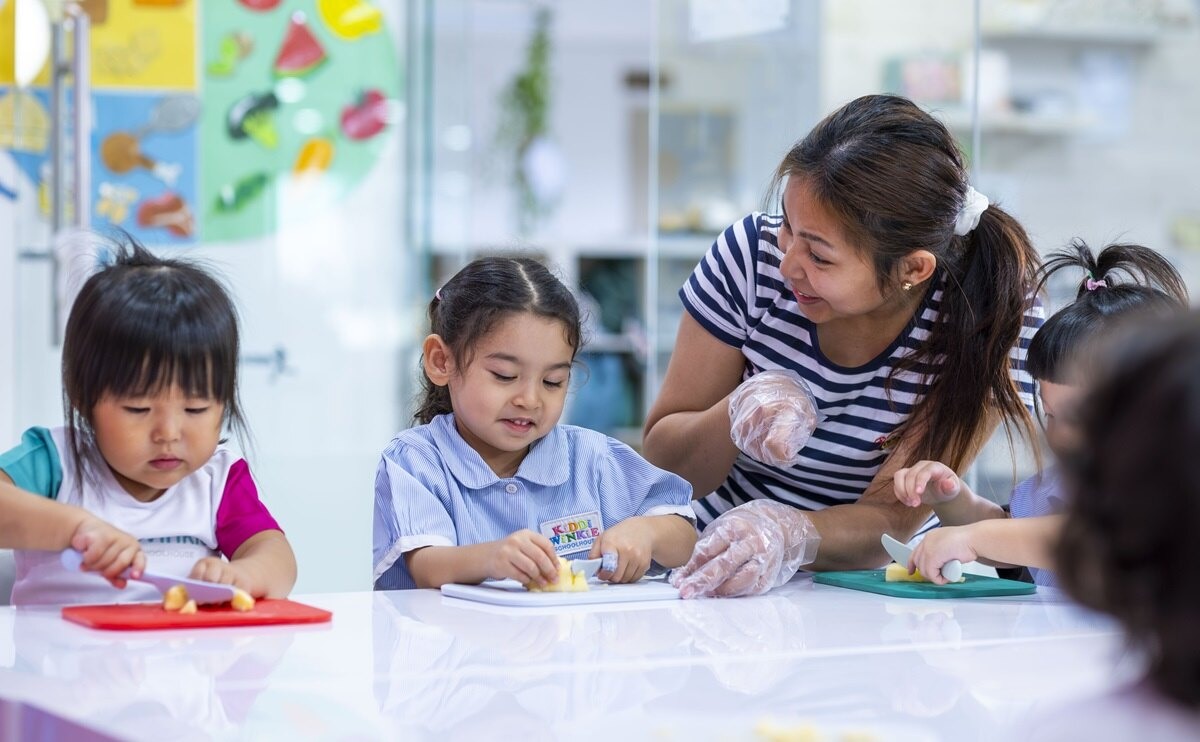
Play is the natural language of childhood. It is how young children explore, learn, and make sense of the world around them. Through play, a toddler stacking blocks or a preschooler inventing a story is not “just having fun” — they are building connections in the brain that shape how they think, feel, and grow.
Research in early childhood development shows that play is important for healthy brain development, enhancing brain structure and promoting executive function. In this article, we explore how play supports different areas of development, its importance in early childhood education, and why it should be a core part of every child’s day.
What Is Play in Early Childhood?
Play is enjoyable, self-motivated, and actively engaging. It is often driven by the child’s own ideas and curiosity. Whether it is imaginative play in a make-believe kitchen, construction play with blocks, physical play at the playground, social play with friends, or sensory play with sand and water, each form serves a purpose.
Both quiet, focused play and energetic, active play are equally important. Together, they create a balanced and enriching early childhood experience.
How Play Supports Your Child’s Development
Thinking and Problem-Solving Skills
When children build towers, sort objects, or experiment with materials, they test ideas and discover cause and effect. Through play, they learn to plan, make decisions, and adapt when things do not go as expected.
Language and Communication
Pretend play, storytelling, and everyday conversations during play expand vocabulary and expressive language. Taking turns, asking questions, and explaining ideas happen naturally as children interact.
Social and Emotional Growth
Playing with others teaches children to share, wait, negotiate, and see different perspectives. As they overcome small challenges and solve problems during play, they also gradually build confidence.
Through pretend play, children often revisit familiar situations, such as going to the doctor or resolving a disagreement. By acting out these scenarios and experimenting with different roles, they can make sense of their experiences and explore emotions in a way that feels safe and manageable.
Physical and Motor Development
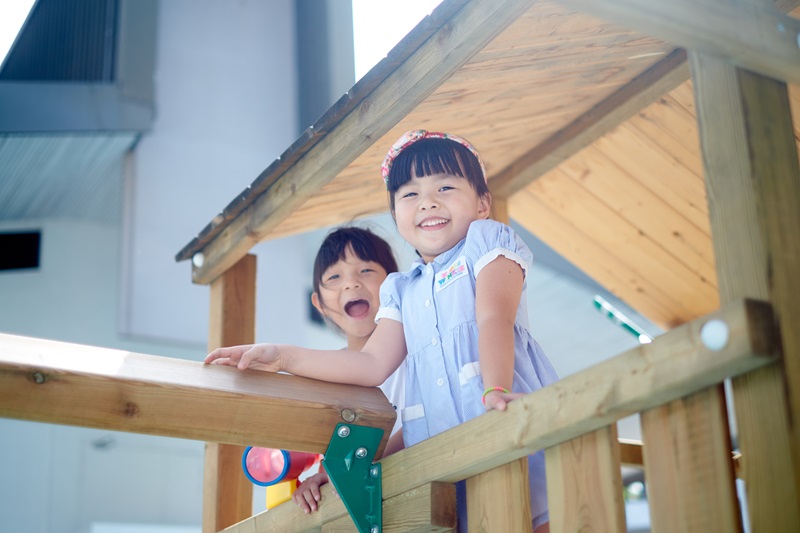
Running, climbing, dancing, and outdoor games strengthen balance and coordination. Smaller movements such as drawing, threading, and completing puzzles develop fine motor skills needed for writing and self-care.
Creativity and Imagination
Open-ended play with blocks, loose parts, and role play allows children to invent stories and reimagine familiar objects. This nurtures flexible thinking and a love for exploring new ideas.
Unstructured Play and Guided Play: Why Children Need Both
Unstructured, Child-Led Play
Free play empowers children to choose what and how they play. It supports independence, self-direction, and sustained engagement driven by curiosity.
Guided Play with Adults and Educators
Adults can gently guide play by preparing thoughtful environments, asking meaningful questions, and extending ideas. Guided play weaves in learning goals while remaining joyful and child-centred.
How KiddiWinkie Schoolhouse Uses Play to Support Whole-Child Development
At KiddiWinkie Schoolhouse, play is thoughtfully designed through a neuroscience-informed approach, ensuring that every experience is rooted in how young children learn and grow best.
Across our infant care, early years, and preschool programmes, environments, routines, and materials are carefully curated to blend unstructured and guided play throughout the day. This integrated approach supports thinking skills, language development, social competence, emotional resilience, and physical growth.
KiddiWinkie Schoolhouse supports children at every stage of their early years journey, from our nurturing infant care services, to our thoughtfully structured toddler playgroup, and our holistic early learning preschool environment where purposeful play drives meaningful growth.
We warmly invite you to book a tour of our centres, explore our programmes and curriculum, or visit one of our upcoming open house events, held in January, April, July, and October, to see how purposeful play is thoughtfully woven into every moment of the KiddiWinkie experience.


