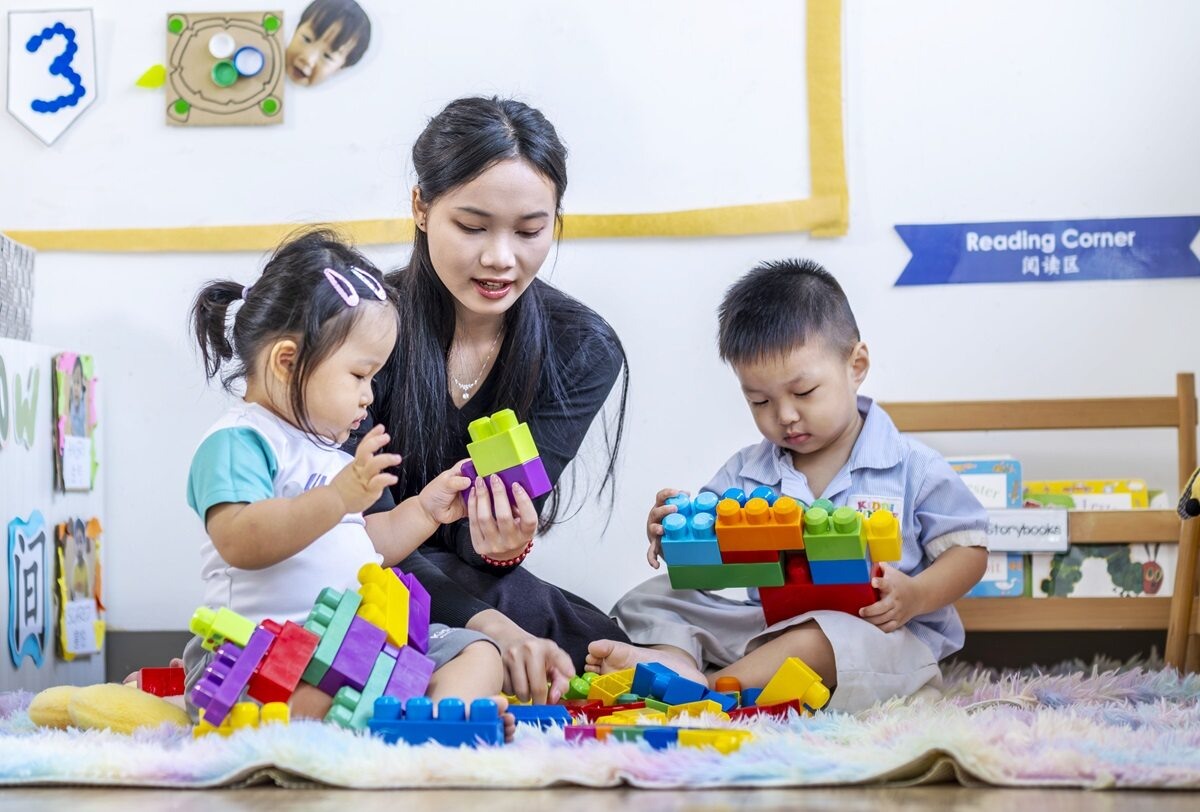
A child’s first classroom lessons often aren’t about numbers or letters — they’re about emotions. Learning how to understand, express, and manage feelings forms the foundation for everything else that follows.
From a toddler’s frustration when a toy doesn’t work to the joy of sharing a story with friends, emotions play a central role in early childhood. At KiddiWinkie Schoolhouse, we believe that developing emotional intelligence (or EQ) is just as important as building learning skills. It helps children form healthy relationships, handle challenges, and approach new experiences with confidence and empathy.
What Is Emotional Intelligence and Why Is It Important in Preschool?
Emotional intelligence (EQ) is the ability to recognise and manage one’s own emotions, understand others’ feelings, and respond appropriately in social situations. It helps children navigate friendships, regulate behaviour, and build confidence in learning and life.
Why Emotional Intelligence Matters in the Early Years
The preschool years are a critical period for emotional growth. This is when children begin to develop self-awareness — understanding how they feel and why — and start forming social relationships beyond their family circle. When they are guided to recognise and manage their emotions, they build resilience and empathy that last well beyond their early years.
Emotional intelligence also supports learning readiness. Children who can regulate emotions like frustration and excitement are more focused, cooperative, and open to new experiences. They are better able to adapt to transitions, follow routines, and engage meaningfully with their peers.
At the same time, preschoolers with strong EQ are more likely to communicate effectively, resolve conflicts peacefully, and build friendships rooted in kindness and understanding. These early emotional skills are essential foundations for life-long success — shaping how children think, connect, and grow.
How Preschools Foster Emotional Intelligence
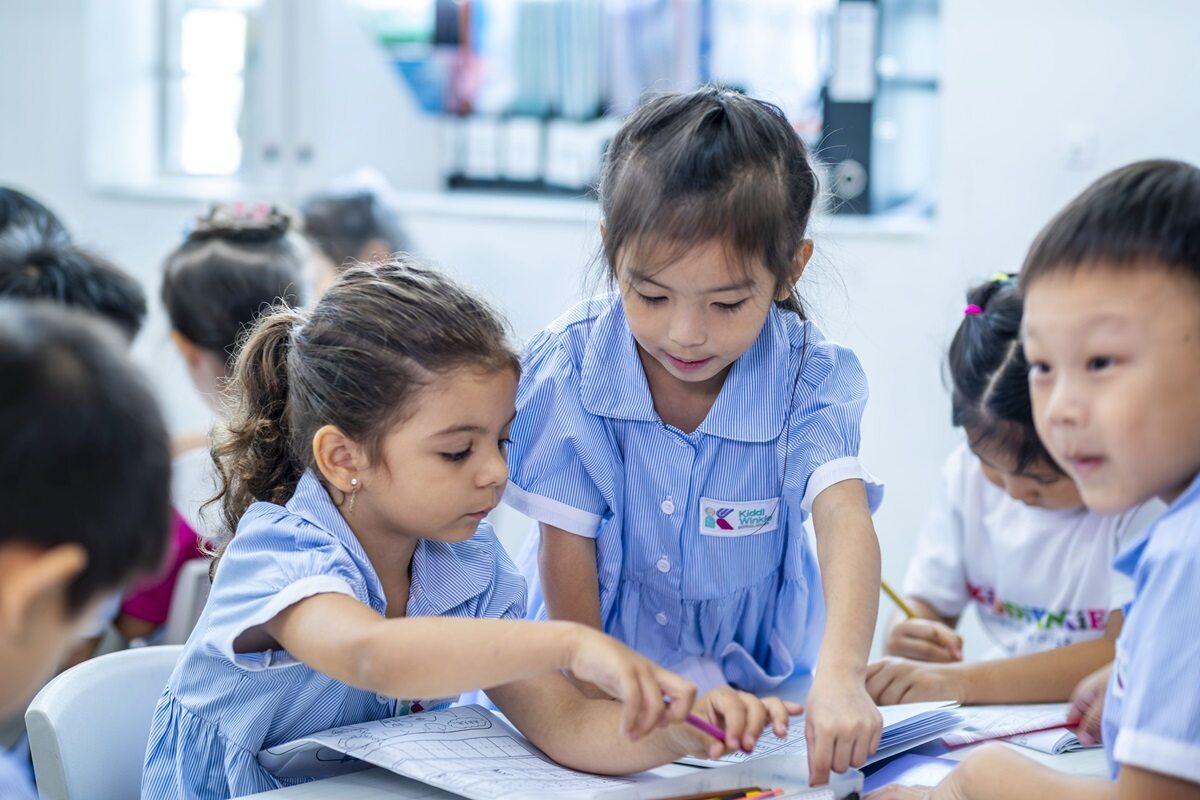
Preschools play a vital role in nurturing emotional awareness. Through daily interactions, structured routines, and guided play, children learn to understand and manage emotions in a supportive setting.
Learning Through Everyday Moments
Children learn emotional awareness by observing and interacting with caring adults. When teachers acknowledge a child’s feelings — “I can see you’re feeling sad because playtime ended” — they validate the emotion and model empathy. Over time, children learn that it’s okay to feel, name, and express emotions appropriately.
Building Emotional Awareness Through Play
Play is where emotions come alive. Through role-play, storytelling, and cooperative games, children experience joy, disappointment, empathy, and problem-solving in a natural way. Teachers guide these experiences by helping children reflect on feelings, manage frustration, and celebrate teamwork.
Creating a Sense of Safety and Belonging
Predictable routines and gentle transitions help children feel secure. Simple acts — greeting each child warmly, maintaining calm tones, and offering reassurance — build a sense of stability and trust. When children feel safe, they’re more open to exploring, learning, and connecting with others.
The KiddiWinkie Way: Nurturing Emotional Intelligence Through Natural Rhythm®
At KiddiWinkie Schoolhouse, we see emotions as an essential part of learning. Our Natural Rhythm® pedagogy ensures that emotional growth is nurtured alongside intellectual and physical development, recognising that every child learns best when they feel cared for and understood.
This approach is built on three key pillars — Care, Movement, and Curiosity — which work together to support the whole child.
Care: The Heart of Our Approach
Care is at the core of how we nurture emotional intelligence. Teachers form meaningful relationships with each child, offering comfort, encouragement, and trust. This sense of security allows children to express feelings freely and navigate big emotions with guidance.
In moments of frustration or joy, our educators help children identify what they’re feeling, validate those emotions, and guide them towards positive responses. Over time, this builds emotional awareness, empathy, and resilience — the hallmarks of social-emotional learning.
The Role of Movement and Curiosity in Emotional Growth
Children express emotions not just through words, but also through movement and exploration. Activities like dance, outdoor play, and hands-on discovery allow them to release energy, regulate emotions, and find calm.
Curiosity complements emotional intelligence — when children explore freely, they build confidence, independence, and joy in learning. Together, Care, Movement, and Curiosity ensure that every child’s emotional, physical, and intellectual growth develops in harmony.
Helping Preschoolers Develop Emotional Intelligence at Home
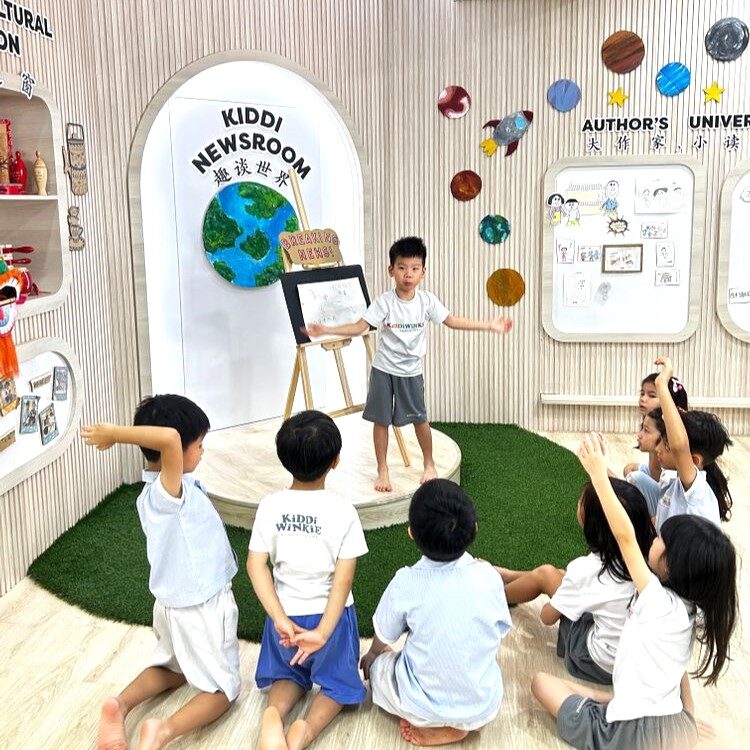
Parents play an equally important role in supporting emotional learning beyond the classroom. Emotional intelligence grows through daily conversations, routines, and shared experiences.
Simple Ways to Support Emotional Growth at Home
Acknowledge feelings: When your child is upset, name the emotion calmly — “I can see you’re frustrated because it’s bedtime.”
Model calm behaviour: Show how you handle stress — children learn emotional regulation by watching adults.
Encourage empathy: Ask your child how others might feel — “How do you think your friend felt when that happened?”
Maintain consistent routines: Familiarity helps children feel secure and reduces anxiety.
Celebrate effort, not just success: It teaches children that perseverance and resilience matter as much as results.
When children are guided to understand and manage their emotions, they gain more than self-control — they gain life skills. Emotional intelligence helps preschoolers adapt to change, form strong relationships, and approach learning with curiosity and confidence.
Discover How KiddiWinkie Nurtures Hearts and Minds
A nurturing environment makes all the difference in helping young children grow into kind, confident, and empathetic learners. At KiddiWinkie Schoolhouse, we combine care, curiosity, and movement to nurture emotional and social growth in every child — from playgroup to kindergarten.
🌱 Discover how our all-rounded preschool programmes nurture emotional growth and lifelong learning. Book a tour at your preferred KiddiWinkie Schoolhouse centre and experience how care and connection shape every child’s journey.
Follow us on social media to stay updated on our latest updates and happenings:


