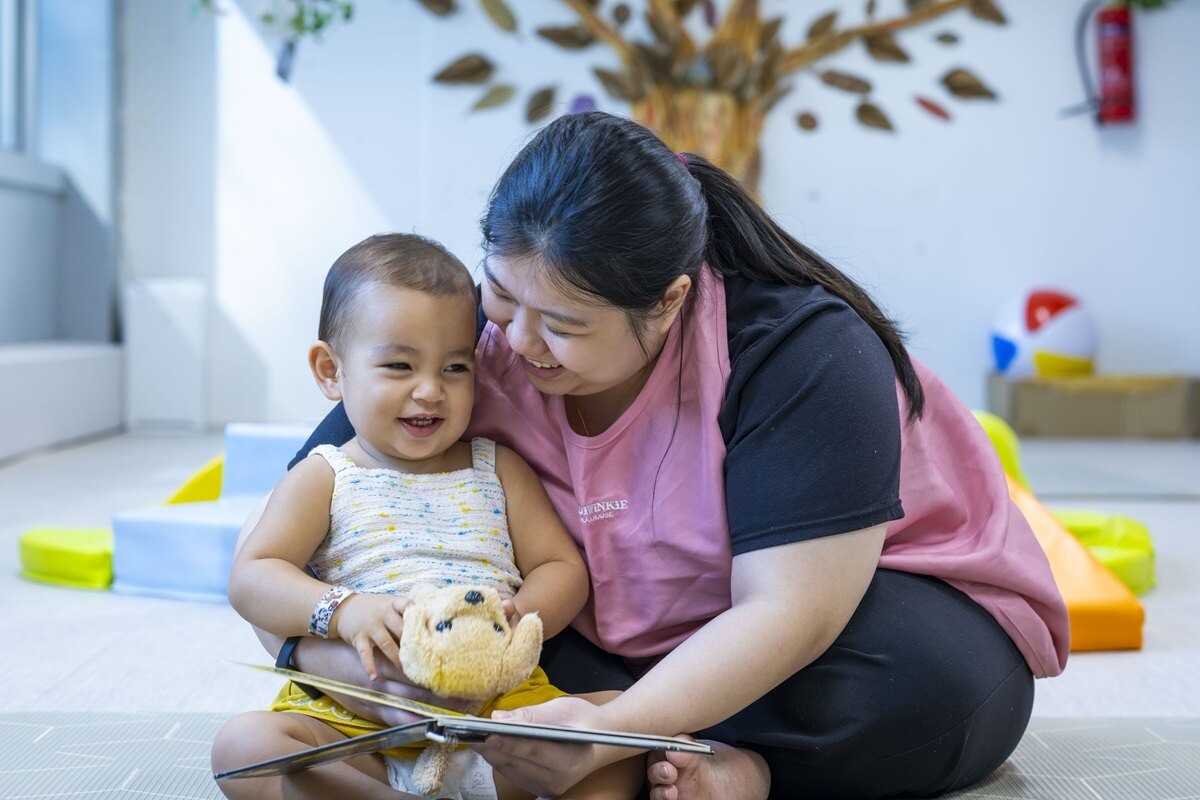
Every parent who has a toddler at home will agree: life at this stage is full of ups and downs. One moment, your little one is giggling uncontrollably, and the next, they are in full meltdown mode because their toy isn’t the right colour.
These emotional rollercoasters are so common that phrases like the terrible twos and the horrible threes have become part of everyday parenting lingo. While these moments can test your patience, they are also a normal part of your child’s early years.
The good news? With understanding, patience, and the right strategies, both parents and children can navigate this stage more smoothly.
Why Toddlers Experience Intense Emotions
Toddlers are still learning how to make sense of the world around them, and big feelings often come before the skills to manage them. They don’t always have the words to say, such as “I’m tired” or “I need some space”, so those feelings come out as tears, shouting, or resistance.
Here are some common reasons why tantrums or emotional outbursts happen.
Tiredness or hunger: When toddlers are low on energy or running on empty stomachs, they simply don’t have the capacity to cope with frustrations. Small issues suddenly feel enormous.
Overstimulation: Too many sounds, lights, or activities can overwhelm a toddler’s senses. When their brain is overloaded, the only way to release the pressure is through crying or acting out.
Independence struggles: Toddlers love to try things on their own, from dressing to pouring juice. When they can’t do it yet, frustration takes over.
Sharing and waiting: Patience is a learned skill. Asking a toddler to share a favourite toy or wait for their turn often feels impossible at first.
Understanding these triggers doesn’t make tantrums disappear, but it does help you respond with empathy rather than frustration.
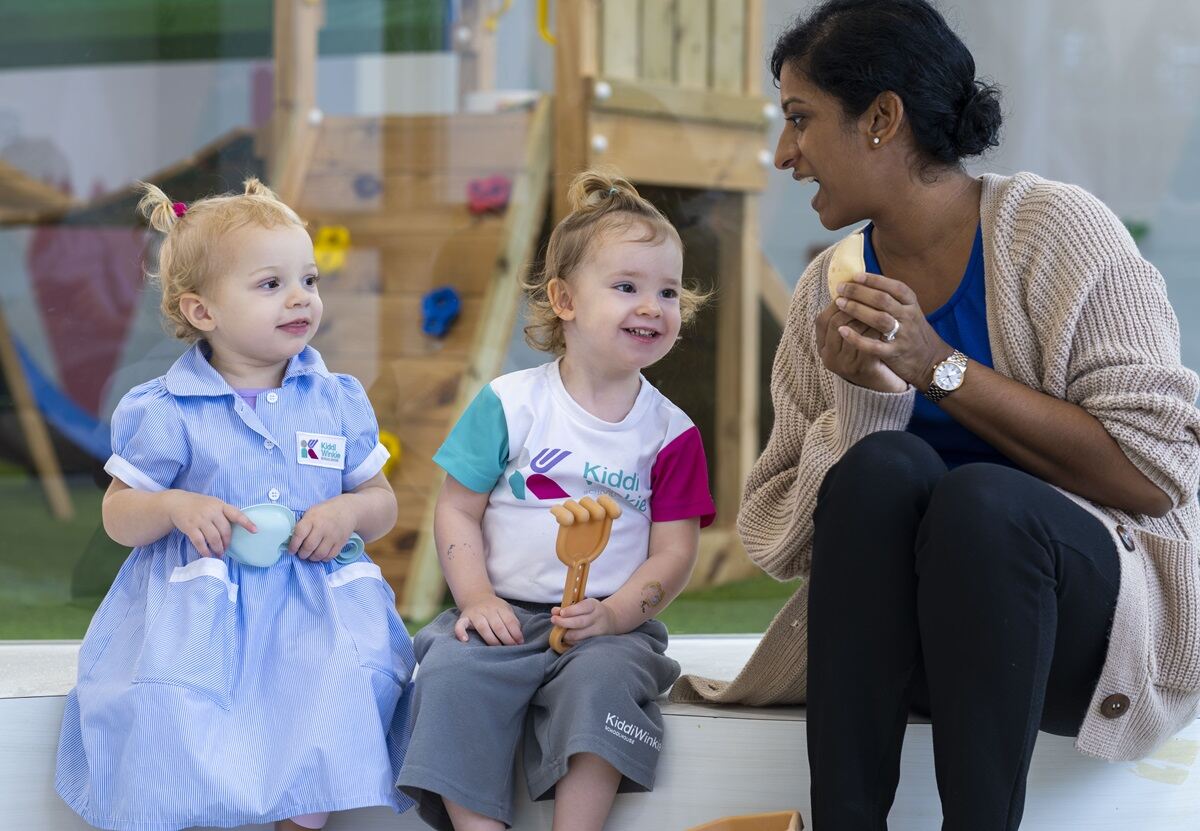
Practical Tips for Managing Toddler Emotions
Every parent wishes for a magic formula to handle toddler meltdowns, but the truth is, it’s about building everyday habits that support your child’s emotional growth.
Here are some strategies that can make a real difference:
Stay Calm and Patient
It’s easier said than done, but toddlers look to you for cues. If you respond with shouting, they learn that yelling is an acceptable response. Taking a deep breath, lowering your voice, and showing calm body language teaches them how to manage emotions.
Acknowledge Their Feelings
Toddlers want to know that you get them. Saying things like “I can see you’re upset because we stopped playing” tells them their feelings are valid. Often, just feeling heard helps them calm down faster.
Offer Choices (within limits)
Giving children small choices, like picking between two snacks or two outfits, helps them feel in control without overwhelming them. This simple step reduces the power struggles that often lead to tears.
Use Positive Reinforcement
Notice when your toddler is doing well, whether it’s waiting their turn, calming themselves, or sharing. A cheerful “I’m so proud of how you waited!” encourages them to repeat the behaviour more than scolding ever could.
Set Consistent Routines
Toddlers thrive on predictability. When they know what comes next (mealtime, nap time or play time), it creates a sense of security that prevents unnecessary stress and outbursts.
Teach Simple Calming Tools
Even very young children can learn little tricks to soothe themselves. Deep breaths, squeezing a favourite soft toy, or retreating to a quiet corner can help them reset.
How Preschools Nurture Emotional Growth in Children
Parents don’t have to walk this journey alone; your child’s preschool plays a big role in guiding them through their emotions. At KiddiWinkie Schoolhouse, our educators combine experience, empathy, and a nurturing environment to support children across every stage, from infant care to playgroup and preschool.
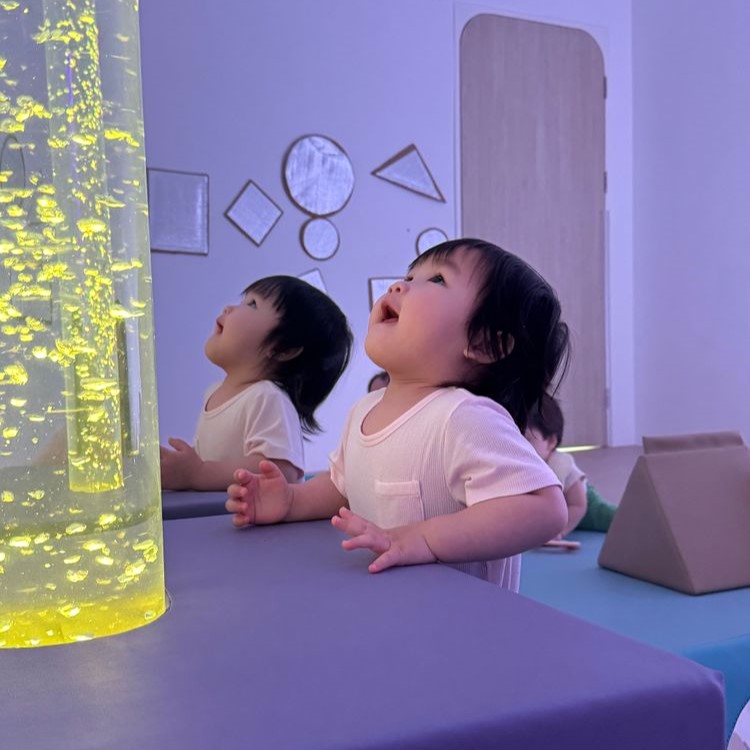
We weave emotional learning into daily routines and purposeful play learning. Group activities encourage patience and teamwork, while storytelling helps children put names to their feelings. When frustrations arise, teachers step in with gentle guidance, helping toddlers find positive ways to express themselves.
This approach is deeply rooted in our Natural Rhythm® pedagogy, which ensures that emotional well-being is as important as academic development. The Care aspect of our philosophy places strong emphasis on understanding each child’s individual needs, while the specially designed Grow Space in our classrooms offers a calming corner where children can regulate their emotions in their own time.
Together, these practices create a safe and supportive environment where toddlers gradually build resilience, empathy, and confidence—skills that will serve them well as they grow into preschoolers and beyond.
Helping Your Child Thrive in Every Way
Tantrums and tears may be part of toddlerhood, but with the right support, they also become stepping stones to greater independence and self-awareness.
At KiddiWinkie Schoolhouse, we’re here to walk alongside you through every stage — from infant care to playgroup and all the way to preschool. With our focus on purposeful play learning and a nurturing environment, we aim to be among the best preschools in Singapore for your child’s all-rounded growth.
👉 Come and see how we support both learning and emotions. Book a school tour today and experience it for yourself.
Follow us on social media to stay updated on our latest updates and happenings:


