Most first-time parents have done it: sat at a desk or in the car on the way home, trying to picture what their child is doing at preschool, only to find the image surprisingly blurry. There will be snacks and stories and probably some kind of nap, but in between the hours, the actual day can feel abstract. That uncertainty is part of the anxieties of starting preschool for the first time, and it deserves a clear answer.
This is a practical guide to what to expect at preschool: what a well-designed day typically includes, why it is structured that way, and what you can reasonably look for as a parent. Schedules vary across schools, so we are describing the principles behind a quality day rather than a fixed timetable.
Why Routine and Rhythm Matter in the Early Years
Young children feel safest when the day is predictable. Once they know what comes next, they can stop scanning their environment for cues about what is happening and direct their attention toward what is interesting. That shift is where genuine learning begins.
A good preschool schedule is built not around minute-by-minute control, but around a consistent rhythm children can internalise over time. The transitions inside that rhythm matter most. Drop-off, the transition from one activity to the next, settling before a meal, and the goodbye at the end of the day are the moments when a child's sense of security is most visibly tested.
What a Well-Designed Preschool Day Typically Includes
A private early childhood preschool worth choosing builds its day around how young children actually learn, blending different modes of engagement so that no single rhythm dominates.
1. Arrival and Settling
A calm, consistent arrival helps a child move from home to school without prolonged distress. Look for educators greeting children at the door, a familiar activity ready to settle into, and an unhurried tone in the room.
2. Play, Exploration and Guided Learning
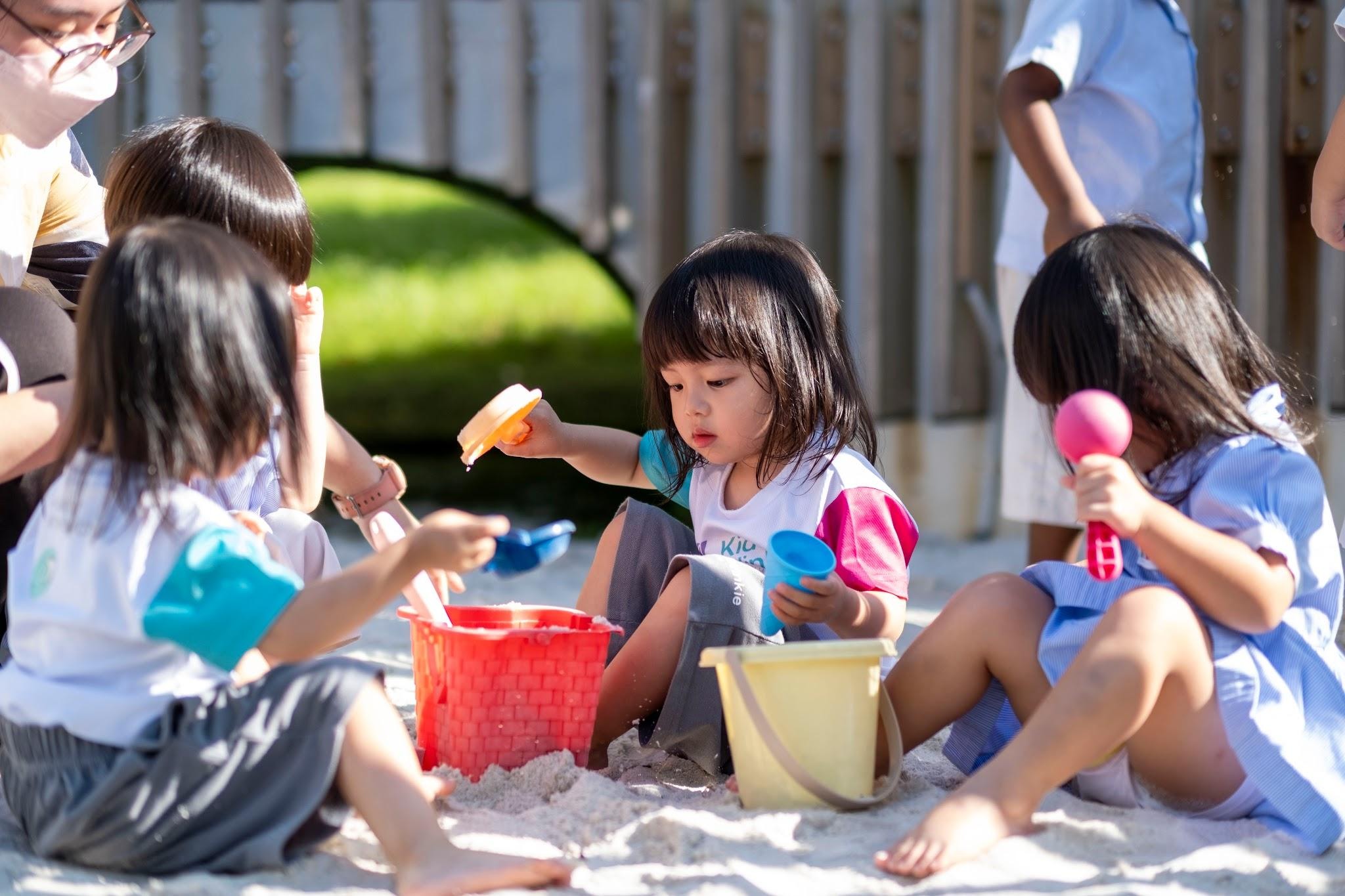
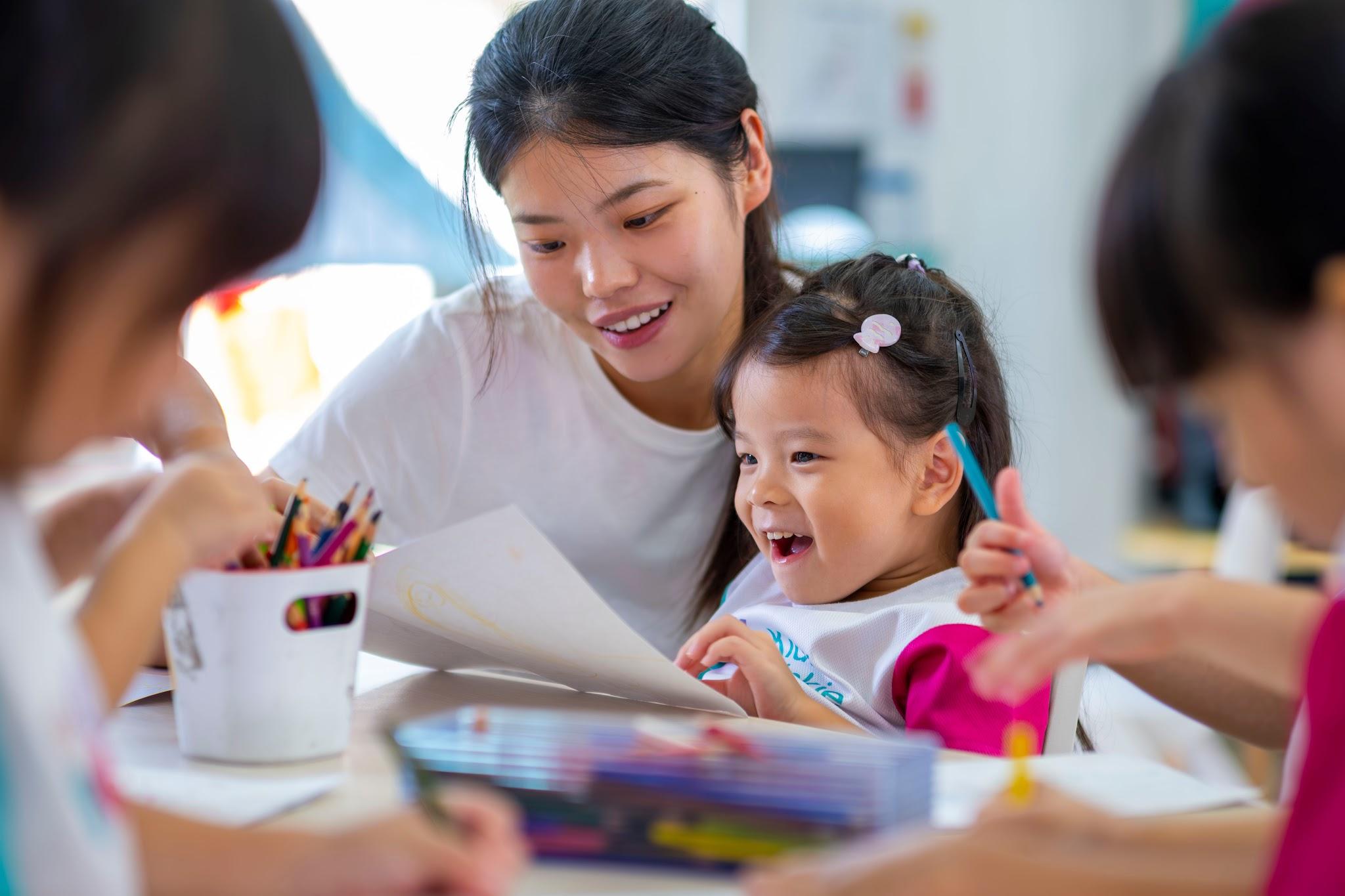
The longest stretch of the day is given to play-based learning, where child-initiated play is woven with educator-guided experiences. At this age, learning rarely looks like sitting at a desk. It looks like building, creating, experimenting, and talking. A well-designed playgroup programme uses these moments to support cognitive development, building working memory through role play, problem-solving through open-ended materials, and language through conversation that follows the child's interest.
3. Outdoor Time
Outdoor time should be substantive, not a brief break between indoor activities. Purposeful outdoor play involves planned provocations, natural materials, and time for sustained exploration. It contributes meaningfully to holistic development, supporting physical, sensory and social growth in ways an indoor classroom alone cannot.
4. Rest, Meals and Self-Care Routines
Mealtimes, nap transitions and toileting routines are part of the learning day, not interruptions to it. How a school handles them reveals how much it values emotional security and independence. A child who is supported in washing their own hands or pouring their own water is doing real developmental work.
What First-Time Parents Often Notice (and Wonder About)
It is common for children to cry at drop-off even weeks into the term, to say "nothing" when asked what they did, and to come home visibly tired. All three are healthy. They reflect the genuine emotional and cognitive work of growing into a new environment, which is what real preschool readiness looks like in practice.
How to Read a Preschool Day When You Visit KiddiWinkie Schoolhouse
When you visit, watch the transitions rather than the activities. How educators handle arrivals, mealtimes, and the shift from play to guided learning reveals far more about a school's culture than any single moment of teaching.
As a premium nursery for children from 2 months to 6 years, and a private kindergarten in Singapore that offers high-quality early education programmes, we welcome these observations. Book a tour at one of our childcare centres, or join us at an upcoming Open House, to see how a morning at KiddiWinkie Schoolhouse unfolds.


