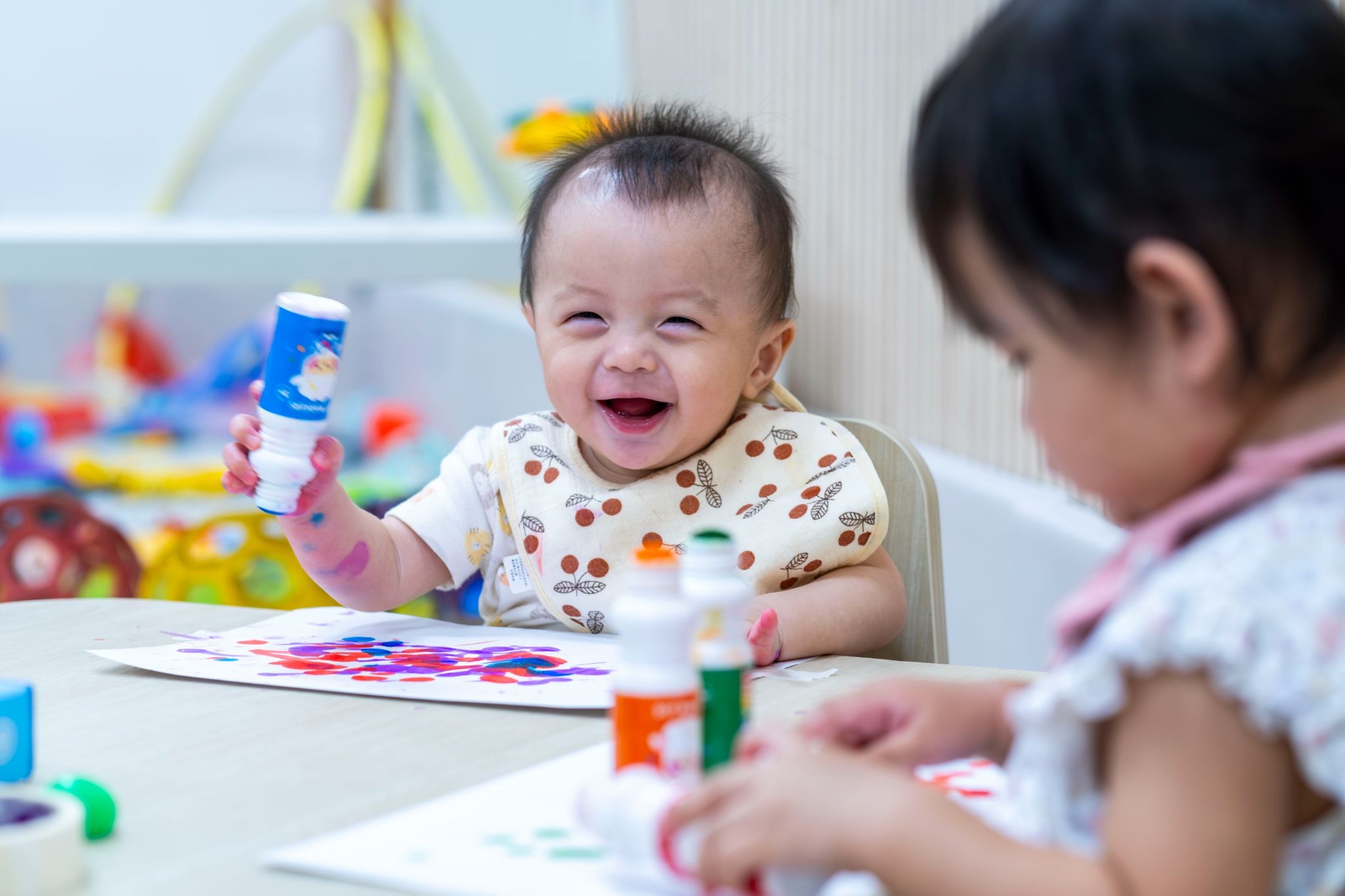
Before a child can explore, question or create, they must first feel safe. A child's emotional state directly determines their capacity to absorb new information, form memories and develop the thinking skills that will carry them through a lifetime of learning.
At KiddiWinkie, emotional safety for children is the curriculum's first and most essential condition, grounded in neuroscience and continuously validated by our Scientific Education Committee.
The Neuroscience of the ‘Learning Brain’
Understanding why emotional safety matters so deeply begins with two key brain structures:
- The amygdala acts as the brain's emotional radar, constantly scanning the environment for signs of threat or discomfort.
- The prefrontal cortex, by contrast, is where higher-order thinking, problem-solving and learning take place.
- When the amygdala perceives a threat, it effectively overrides the prefrontal cortex, redirecting the brain's resources away from thinking and towards self-protection.
For young children, this ‘threat’ need not be dramatic: something as simple as an unfamiliar routine or separation anxiety can be enough to trigger this stress response. Managing toddler emotions in these everyday moments is where KiddiWinkie's approach begins.
How We Create Emotional Safety at KiddiWinkie
So, what is emotional safety in practice? At KiddiWinkie, it begins with the Natural Rhythm® approach, a framework that honours each child's unique pace, temperament and emotional readiness. Central to this is the concept of the Secure Base: when children form consistent, trusting relationships with their educators, they develop the confidence to take cognitive and social risks, knowing that support is always close by.
Physical and emotional safety in the classroom are treated as equally important: thoughtfully designed spaces featuring natural light, calming tones and quiet nooks offer children an environment that soothes rather than overwhelms, giving the learning brain the conditions it needs to thrive.
Validated by the Scientific Education Committee
KiddiWinkie's approach to emotional well-being is rigorously informed by our Scientific Education Committee, a global panel of specialists in neuroscience and early childhood pedagogy. This committee reviews and validates the daily routines and rituals that shape each child's experience at every KiddiWinkie.
From the way morning drop-offs are managed to how transitions between activities are structured, each moment is designed to be emotionally supportive rather than disruptive. This ongoing work ensures that KiddiWinkie’s approach as a premium learning centre for preschool is rooted in current brain-development research, so parents can be confident it is built on rigorous science, not assumptions.
Social-Emotional Learning in the Classroom
Emotional safety in the classroom is not simply about keeping children calm, but about teaching them to understand and navigate their inner world. At KiddiWinkie, educators practise co-regulation, modelling calm and composure so that children gradually internalise these same capacities. Over time, children learn to identify, articulate and respond to what they are feeling.
This is emotional intelligence in its earliest form, and it matters far beyond the preschool years. A child who can manage their feelings is one who’s ready for the relational and academic demands of every challenge that follows.
An Emotionally Secure Child is a Ready Learner
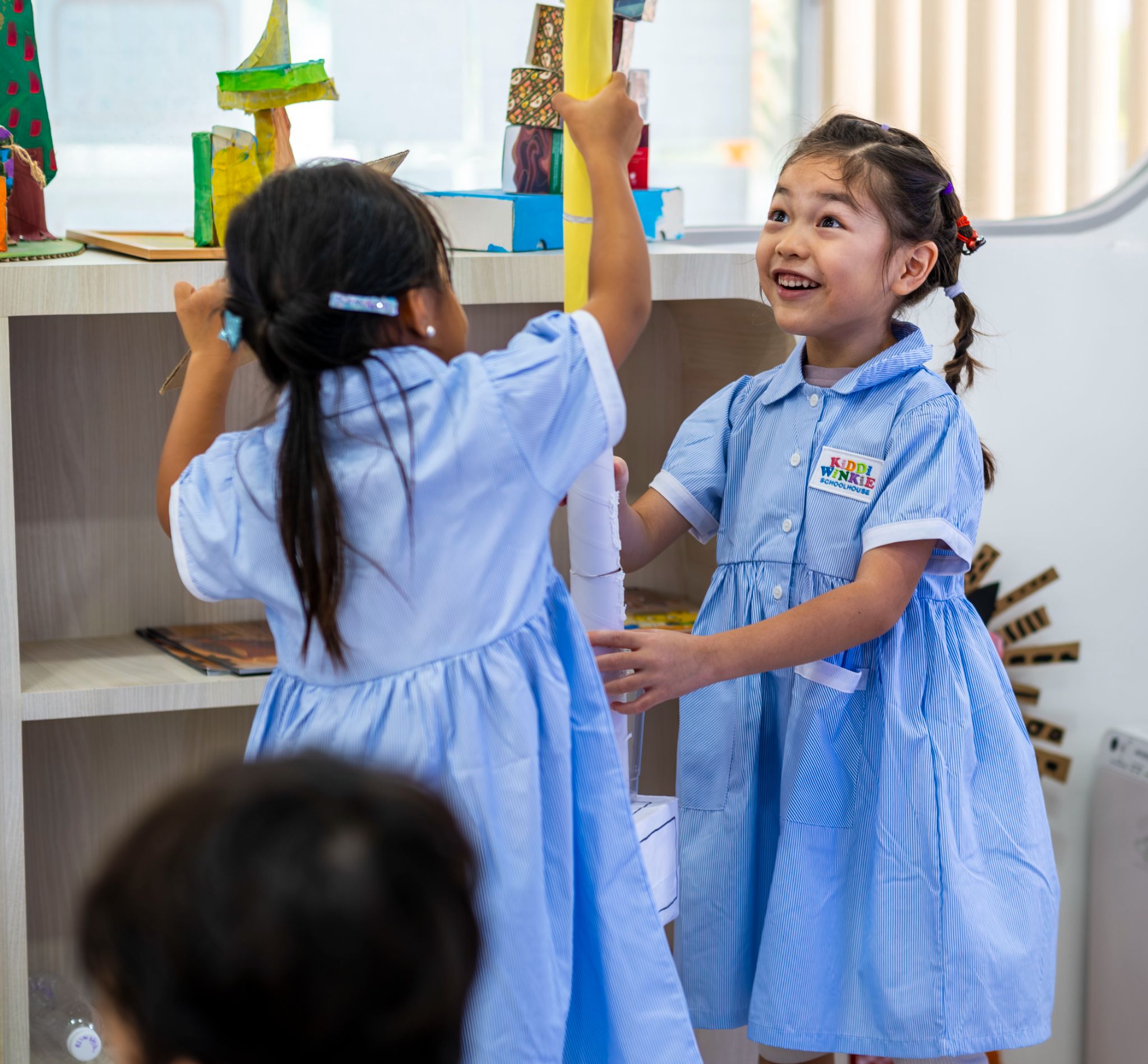
Whether your child is beginning their journey through private infant care in Singapore or progressing through a premium kindergarten programme, emotional safety remains the single most powerful enabler of growth at every stage. An emotionally safe child is a curious child, one who asks questions and embraces new ideas with confidence.
Considering enrolling your child at KiddiWinkie? Book a tour of your chosen centre and see how the work of our Scientific Education Committee creates a sanctuary for your child's growth.


