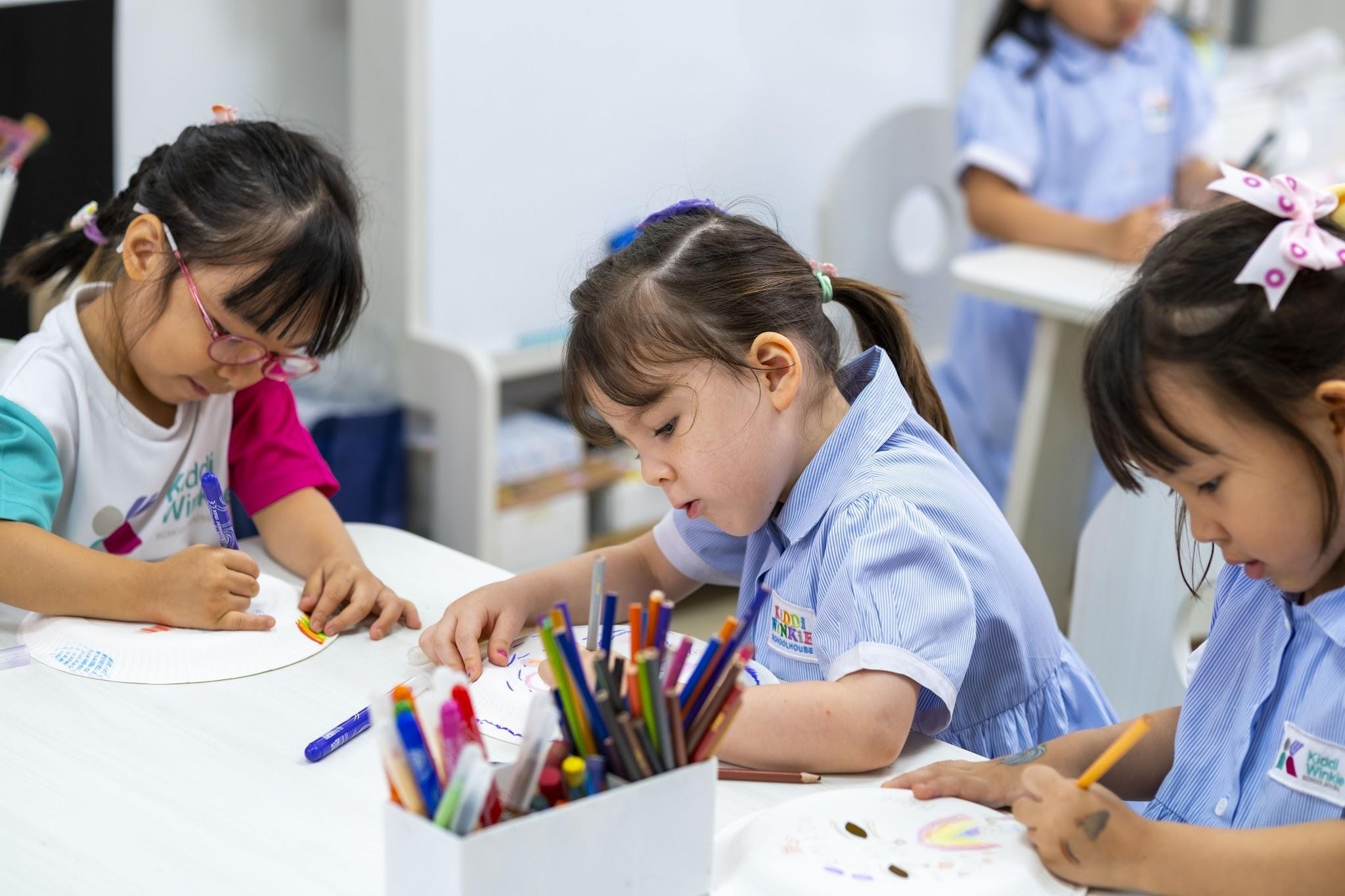
Research into brain development consistently returns to the same finding: ninety per cent of neural growth occurs before the age of six. For a parent watching a toddler stack blocks or chase a butterfly across the garden, that figure can be difficult to understand. But it matters because every experience through these years actively shapes the architecture of everything that comes after, making this the most consequential window of a child's life.
At KiddiWinkie Schoolhouse, that understanding shapes everything from how our environments are designed to how educators engage with children. It is what distinguishes a preschool in Singapore that parents choose for genuine scientific grounding from one chosen simply for convenience.
The Most Rapid Growth of a Lifetime
A baby is born with nearly all the brain cells they will ever have. What happens in the years that follow is not about producing new cells; it is about the connections forming between them. By the time a child starts primary school, their brain has already undergone the most intense period of development it will ever experience. This is where understanding brain development in young children begins: with the recognition that this window is genuinely unlike any other in a human lifetime.
It Is the Connections That Count
Every word heard, every texture explored, every song sung helps wire the brain. Neural pathways form through repetition: the connections used consistently are strengthened, while those left unused gradually fade.
Think of well-walked paths through grass. The more a path is used, the clearer and more reliable it becomes. This is how the stages of brain development in children unfold, not in dramatic leaps, but through the steady accumulation of everyday experience.
Why Different Skills Develop at Different Times
The brain does not develop all at once. Different areas of the brain, each governing a distinct domain from senses and movement to language and emotional regulation, mature on their own timeline. Music and brain development in children share a particularly early connection: exposure to rhythm, melody, and varied sound in infancy and toddlerhood actively supports language acquisition and auditory processing. The point is not to maximise every window, but to ensure the experiences filling each stage are rich enough to build on.
The Three Things Every Developing Brain Needs
The research on brain development in children points to three consistent conditions. They map directly to the three pillars of our Natural Rhythm® pedagogy:
- Care: Warm, responsive relationships create the emotional safety a brain needs before it can explore. A child who feels secure is a child who can learn.
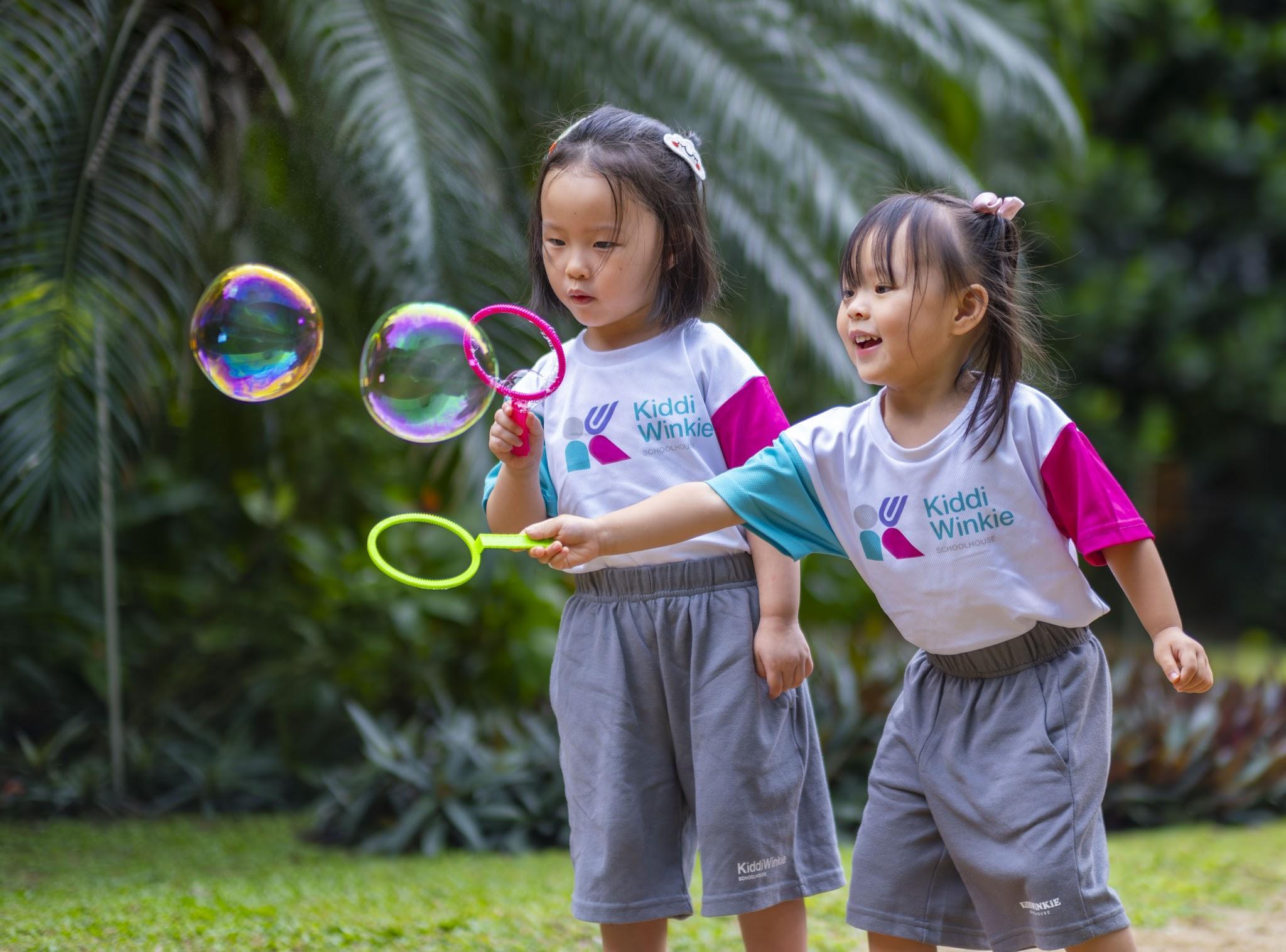
- Movement: Physical activity and sensory play, from outdoor exploration to water, sand, and music, build the motor foundations that underpin thinking.
- Curiosity: Open-ended, child-led play actively drives new neural connections. This is the mechanism of development, not a supplement to it.
What This Means for the Choices You Make Now
Supporting brain development in children does not mean flashcards or structured programmes. Conversation, play, routine, and secure relationships are the real work of these years.
Whether your family is exploring infant care services for a young baby, beginning a playgroup curriculum, settling into a nursery programme in Singapore, or preparing for a premium kindergarten programme, the environment your child spends their days in deserves careful thought. This is precisely why choosing a setting genuinely built around how a developing brain grows matters so much.
The Window Opens Once
This period of extraordinary brain development does not repeat. The goal is the right experiences, consistently offered, during the years the brain is most ready to receive them.
Discover how KiddiWinkie's Natural Rhythm® pedagogy is built around how young brains actually grow. Book a centre tour today, or join us at an upcoming Open House to see it in action.


