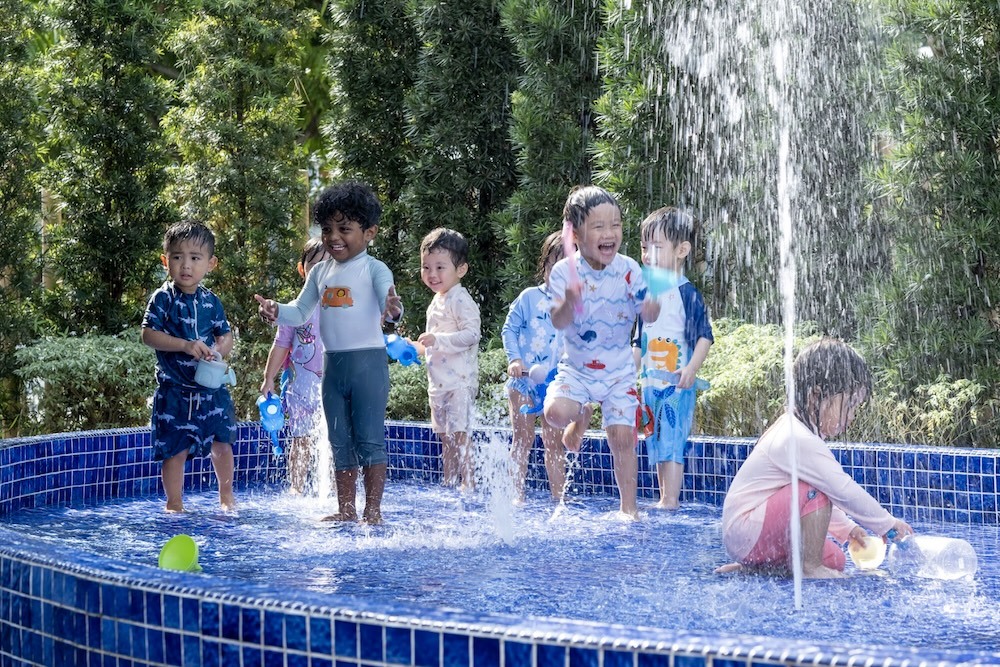
To the untrained eye, play may look simple, even whimsical. But in reality, it is the true work of childhood. Every moment spent building, pretending, or exploring is shaping your child’s brain development in profound ways. At KiddiWinkie, a leading private early childhood preschool, neither indoor nor outdoor play is left to chance. Both types of play are thoughtfully designed, guided, and grounded in neuroscience to support deep and lasting learning.
In this article, we explore the difference between free play and purposeful play, how play builds brain architecture, and why it sits at the heart of our approach.
What Is "Purposeful Play"?
Purposeful play is play with intention. Guided by our Winning Mindset pillar, it blends joy with clear learning outcomes. Unlike passive learning, where children sit and listen, purposeful play invites them to actively engage. It also differs from unstructured play, where there is little guidance or a thoughtfully prepared environment.
Here, fun becomes the gateway. When children are genuinely engaged, their brains are more receptive, more curious, and more ready to absorb new ideas.
How Play Builds Neural Pathways
At the centre of this process is Executive Function, often described as the brain’s air traffic control system. It helps children manage thoughts, actions, and emotions.
Through play, children strengthen key cognitive skills. Working memory is developed when they remember rules in a game. Inhibitory control grows as they wait for their turn or resist the urge to act impulsively. Cognitive flexibility is nurtured when they adapt, problem-solve, or try a new approach after failure.
These neural pathways are best formed during moments of joyful engagement, when children feel safe, interested, and motivated.
Nature-Based Learning: Taking the "Classroom" Outdoors
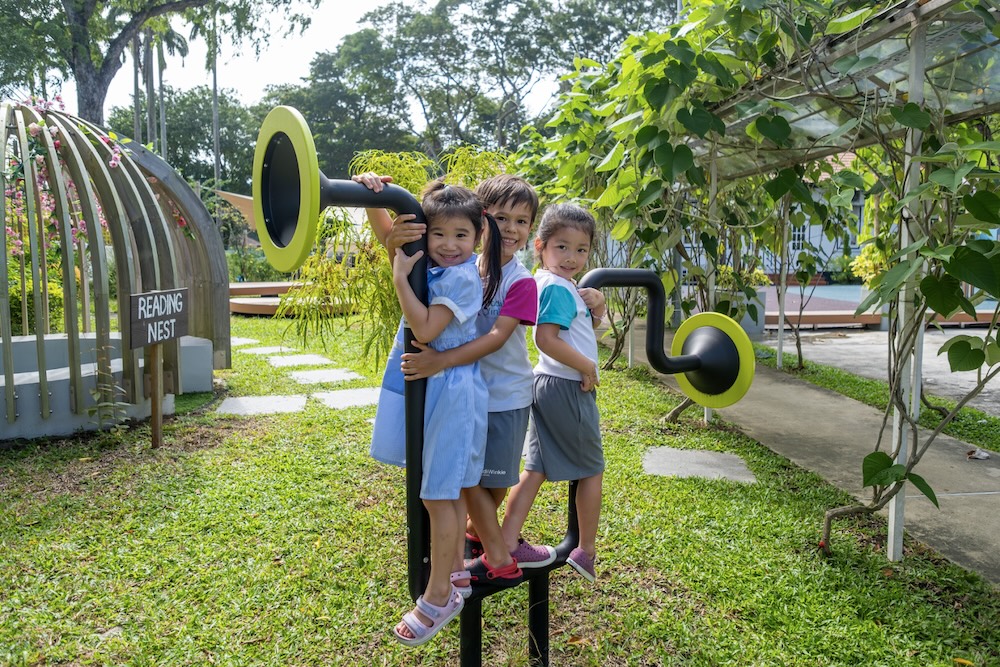
Nature-based learning is a core part of our Sustainable Education® framework. The outdoors offers something no classroom can fully replicate: infinite variables.
Uneven ground, changing weather, varied textures, and natural elements challenge the brain in dynamic ways. Time in nature also helps reduce stress, allowing children to enter a state of calm alertness that is ideal for learning.
Through outdoor inquiry, a simple moment such as observing a caterpillar or arranging sticks and stones becomes an opportunity for early scientific thinking, creativity, and environmental awareness.
Purposeful Play at KiddiWinkie
In our classrooms, from our toddler playgroup to our kindergarten programme, learning follows our Natural Rhythm® pedagogy. Sensory play with sand and water sparks curiosity and inquiry. Dramatic play encourages empathy and social understanding. Constructive play builds spatial awareness and early mathematical thinking.
Indoor discovery flows naturally into outdoor exploration, creating a continuous loop of learning that is both holistic and meaningful.
The Educator’s Role
Our educators are not passive observers. They are skilled co-players who guide each experience with intention.
They observe teachable moments, introduce new vocabulary, and provide gentle scaffolding so children can succeed independently. This balance ensures that each child feels supported while still being challenged to grow.
Where Play Becomes Lifelong Learning
The benefits of play-based learning are far-reaching.
Purposeful play, especially when enriched by nature, can be highly effective in preparing a child’s brain for the future. It helps build not just knowledge, but confidence, resilience, and a lifelong love of learning.
Want to see the science of play in action? Book a tour of our centres to explore our indoor discovery zones and experience our 90-minute outdoor play sessions firsthand.


