Sensory play refers to any activity that engages a child’s senses. While many parents think of touch first, true sensory play also includes movement, balance, sound, sight, smell and even taste. When toddlers explore the world through their senses, they build connections in the brain that support learning, regulation and confidence.
Simple sensory play can spark curiosity and turn ordinary routines into meaningful learning moments. This article shares some easy and practical sensory activities families can try at home without any special equipment.
What Is Sensory Play?
In parent-friendly terms, sensory play includes hands-on experiences that stimulate one or more senses. These include touch, sight, sound, smell and taste, as well as movement and body awareness, known as vestibular and proprioceptive input.
Sensory play can look messy, like digging in rice or splashing in water. It can also be very calm, such as watching glitter settle in a bottle or listening to gentle sounds. In both cases, children learn to explore, experiment and make sense of their environment, all important foundations in the preschool years, starting with the right infant care curriculum in Singapore.
Simple Sensory Play Activities to Try at Home
Touch: Tactile Sensory Activities
- Set up a simple sensory bin using a large container filled with dry rice, pasta or water. Add scoops, cups and small toys for digging and pouring. Children naturally practise coordination and problem solving as they explore textures.
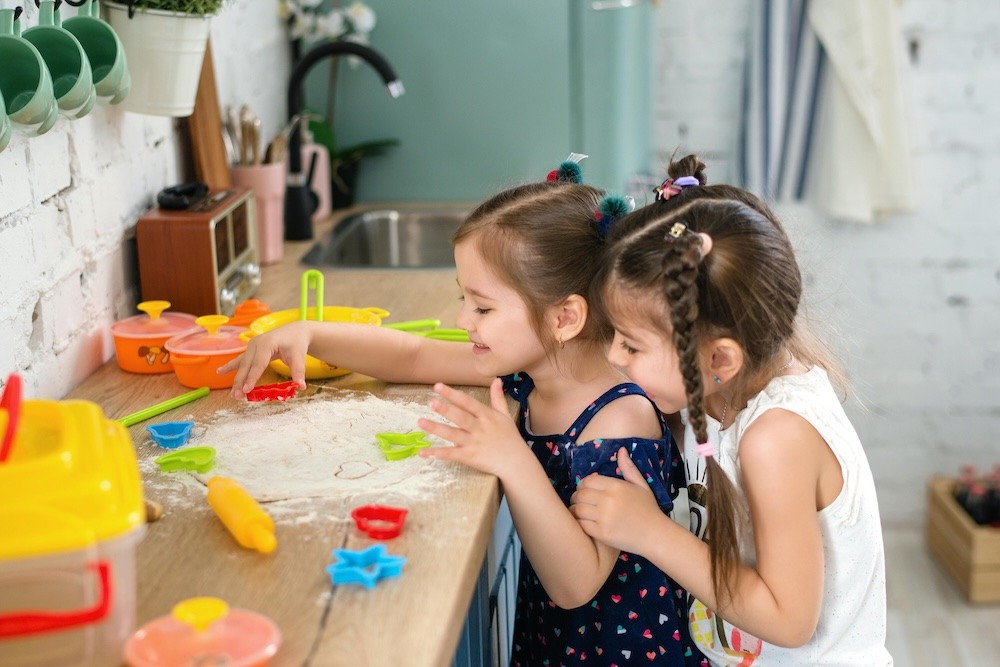
- Use playdough for rolling, squishing, cutting and stamping with cookie cutters or natural materials like leaves and shells.
Simple tactile sensory play helps children strengthen fine motor control while keeping their hands meaningfully engaged.
Sight and Sound: Visual and Auditory Sensory Activities
- Fill clear bottles with glitter, beads or other small objects. Seal them securely and invite your child to shake and watch the contents swirl and settle. This can be especially soothing after an active day.
- Fill containers with rice, beans or buttons to create shakers. Children can tap, shake and compare different sounds, sharpening their listening skills and awareness of rhythm.
These activities encourage children to observe carefully, listen attentively and respond to changes in their environment.
Movement and Body Awareness: Vestibular and Proprioceptive Activities
- Create a simple indoor obstacle course using cushions, low stools and taped lines on the floor. Invite your child to crawl under, step over and balance along pathways.
- Jumping games also engage large muscles and coordination. Try hopping between floor markers, jumping off a low step or pretending to move like different animals.
Not only do these activities support balance and body awareness, they also help children regulate their energy levels.
Taste and Smell: Gustatory and Olfactory Sensory Activities
- Organise a small taste and smell exploration using safe foods with different textures and aromas, such as citrus slices, herbs or crackers. Encourage your child to describe what they notice.
- Cooking together offers another rich sensory experience. Pouring, stirring and smelling ingredients allows children to observe how textures and scents change, making everyday kitchen time both educational and enjoyable.
Taste and smell activities expand children’s vocabulary and awareness while turning everyday moments into meaningful sensory discovery.
Making Sensory Play Part of Everyday Life
Sensory play does not require elaborate set-ups. Bath time, cooking routines and outdoor play can all become opportunities for exploration. Follow your child’s lead and describe what they are doing to build vocabulary and language skills alongside experience.
Always supervise closely, especially when using small objects or water, and choose age-appropriate materials. With simple guidance, sensory activities can become a natural part of everyday play.
How KiddiWinkie Schoolhouse Weaves Sensory Play into Learning
Sensory play supports fine motor skills, language growth, emotional regulation and social interaction. As a private childcare centre informed by neuroscience, KiddiWinkie Schoolhouse integrates sensory play into daily routines, classroom environments and outdoor exploration. From carefully designed tactile stations to movement-rich activities, experiences are intentionally crafted to support brain development.
Looking to enroll your child at a private preschool in East Coast, a kindergarten in Yio Chu Kang or a preschool in Mountbatten? We welcome you to book a tour of KiddiWinkie Schoolhouse and see for yourself how our multisensory spaces inspire curiosity, encourage hands-on exploration and support children’s development in meaningful ways.


