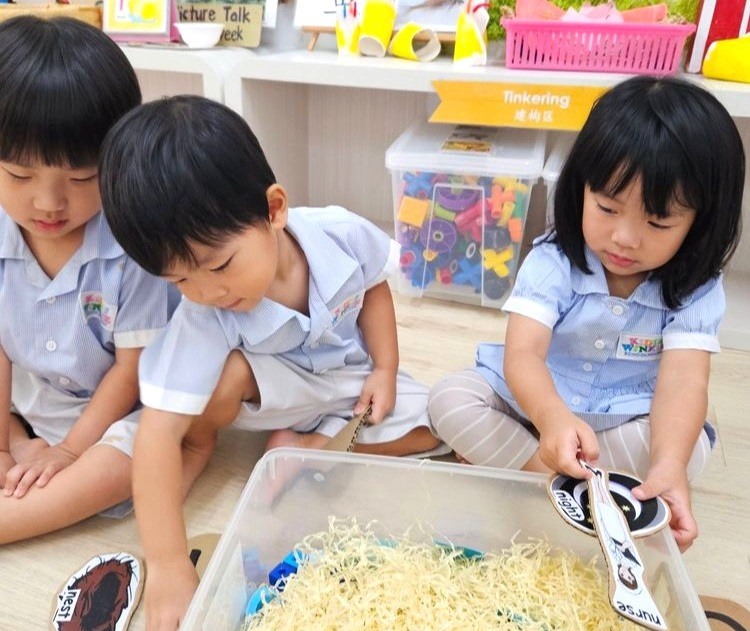
If you’ve ever spent a day with a preschooler, you’ve probably answered countless “why” and “how” questions. Those questions aren’t random — they’re the foundation of learning. Curiosity is what drives children to explore, investigate, and understand the world around them.
In the early years, curiosity is more than a fleeting interest. It’s the spark that builds problem-solving skills, fuels imagination, and helps children develop confidence as learners. When children are encouraged to stay curious, they don’t just learn facts — they learn how to learn.
At KiddiWinkie Schoolhouse, curiosity is at the heart of everything we do. Through our inquiry-based learning approach and Natural Rhythm® pedagogy, we create an environment where every child’s questions become opportunities for discovery.
Why Curiosity Matters in Early Childhood
Curiosity is a child’s most natural instinct — the drive to ask, explore, and make sense of their surroundings. It shapes how they learn, communicate, and engage with new ideas. When children are encouraged to stay curious, they build the foundations for both intellectual and emotional growth.
Curiosity Builds Thinking and Problem-Solving Skills
When children are curious, they don’t wait for answers — they search for them. Each question sparks observation, reasoning, and experimentation. As they explore how things work, they develop early problem-solving skills and learn to think critically. This habit of questioning helps them become confident thinkers who can approach challenges with creativity and logic.
Curiosity Encourages Creativity and Imagination
Curiosity and creativity go hand in hand. When children are free to explore and imagine, they discover new ways to use materials, express ideas, and solve problems. Whether they are mixing colours in art, building with blocks, or inventing stories, curiosity fuels imagination and helps children view the world through a lens of possibility.
Curiosity Builds Confidence and Independence
A curious child takes initiative — they try, test, and learn through doing. When children are trusted to make small discoveries on their own, it strengthens their sense of capability. Each success, no matter how small, builds self-esteem and motivates them to explore further. Over time, curiosity nurtures independence and a lifelong love for learning.
Curiosity Strengthens Communication and Social Skills
Curious children are eager to talk about what they see and learn. They naturally express observations, share ideas, and listen to others’ perspectives. In the process, they build vocabulary, confidence in speaking, and empathy for different viewpoints. Curiosity opens the door to meaningful conversations — both with peers and adults.
In preschool learning environments in Singapore, curiosity is more than a trait — it’s a skill that drives development. By giving children time, space, and encouragement to explore, teachers and parents lay the groundwork for confident, capable learners.
Inquiry-Based Learning: Turning Questions Into Learning
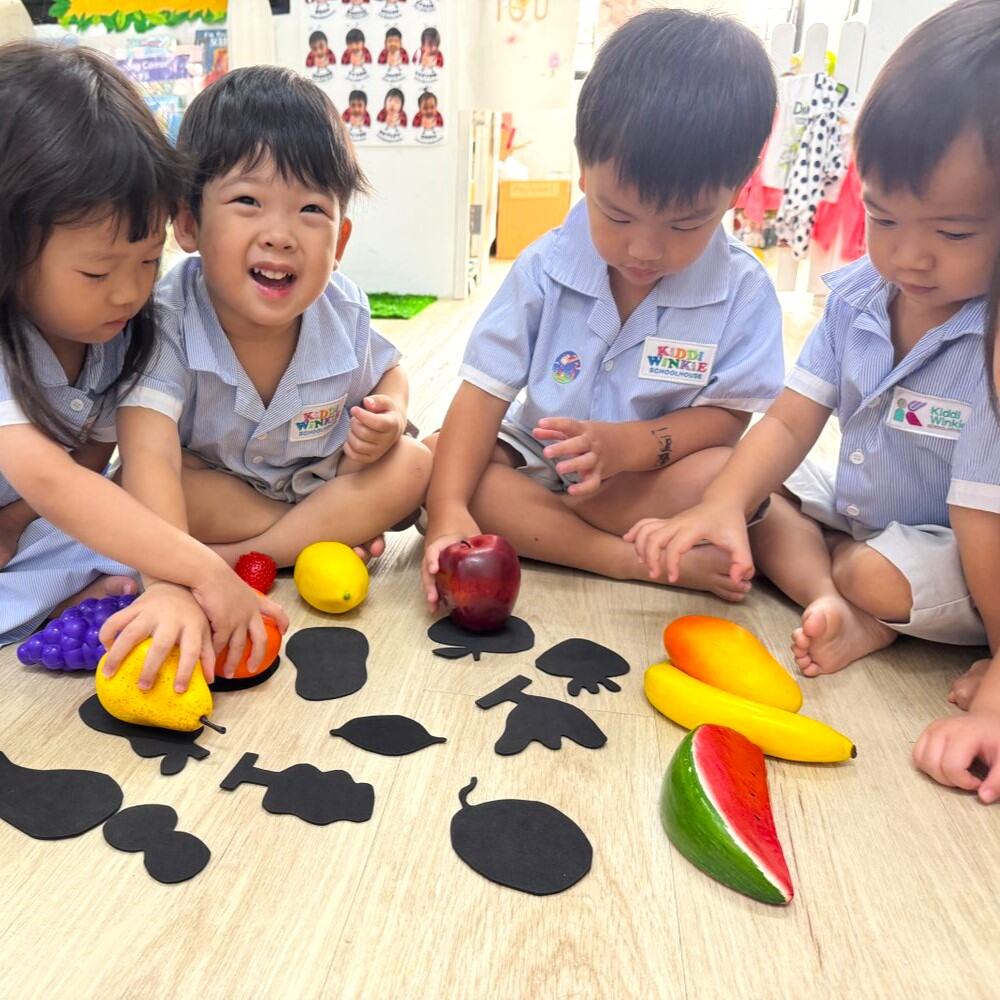
At KiddiWinkie Schoolhouse, learning begins with curiosity. Our curriculum is carried out through an inquiry-based learning approach, where children are encouraged to explore through observation, investigation, and reflection.
Instead of memorising information, children learn through hands-on experiences. When they ask questions like “What will happen if we mix these colours?” or “How do plants grow?”, teachers guide them to explore answers through play, experiments, and discussions.
This approach transforms classrooms into living laboratories of ideas. Children become active participants in their own learning, gaining not just knowledge but also critical thinking and confidence.
How KiddiWinkie’s Natural Rhythm® Pedagogy Nurtures Curiosity
Every child learns differently — some are quiet observers, others energetic explorers. At KiddiWinkie, our Natural Rhythm® pedagogy recognises and celebrates these differences, ensuring that learning unfolds naturally and meaningfully.
This philosophy rests on three key pillars and together, they create a balanced and nurturing environment that brings out the best in every child.
Care
Children learn best when they feel secure and valued. At KiddiWinkie, educators form warm, trusting relationships that build emotional confidence and encourage self-expression. When children feel cared for, they are more willing to take risks, ask questions, and explore new ideas.
Movement
Young children learn through movement — by touching, running, dancing, and exploring their surroundings. Movement strengthens not only their physical abilities but also their focus, coordination, and cognitive skills. Through outdoor play, sensory experiences, and hands-on activities, learning becomes active and joyful.
Curiosity
Curiosity ties everything together. It’s what turns play into learning and discovery into understanding. Teachers nurture curiosity by asking open-ended questions, encouraging observation, and guiding reflection. Whether children are exploring nature, building with blocks, or experimenting with colours, curiosity is what fuels each learning moment.
Together, these three pillars ensure that every child’s learning experience is rooted in joy, discovery, and connection.
Learning Environments That Spark Curiosity
The right environment can turn every moment into an opportunity for exploration. At KiddiWinkie Schoolhouse, our spaces are thoughtfully designed to inspire wonder and engagement at every age.
For Infants: The Sensory Oasis®
Our Sensory Oasis® is specially created for infants and toddlers, offering a calm and multi-sensory environment that stimulates early development. Through gentle textures, soft lighting, and soothing sounds, babies begin exploring the world safely and comfortably — sparking curiosity from their very first experiences.
For Preschoolers: Interactive and Exploratory Spaces
For playgroup, nursery, and kindergarten levels, classrooms are filled with opportunities to explore and inquire. Nature corners, loose parts play areas, and sensory spaces invite hands-on learning. Outdoor spaces allow children to observe nature, conduct simple experiments, and discover how things work.
Educators act as facilitators, guiding children as they investigate, hypothesise, and draw conclusions — helping them connect what they learn in class to the world around them.
Encouraging Curiosity Beyond the Classroom
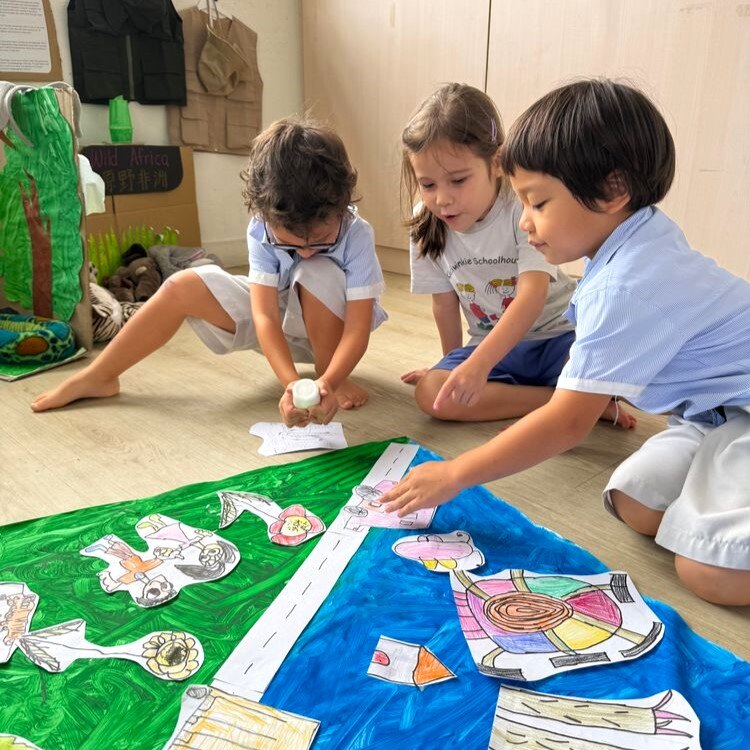
Curiosity doesn’t stop at school — it thrives when children have the freedom to explore at home too. Parents play a vital role in nurturing that spark.
Simple Ways to Inspire Curiosity at Home
Encourage questions: When your child asks “why,” respond with curiosity yourself — “That’s interesting, what do you think?”
Model lifelong learning: Let your child see you exploring new hobbies or topics. Your enthusiasm is contagious.
Explore together: Visit parks, libraries, or museums, and talk about what you see and experience.
Offer open-ended materials: Provide items like blocks, art tools, and recycled materials that inspire imaginative play and experimentation.
When curiosity becomes part of everyday life, children grow up seeing learning as a joyful adventure.
Discover How Curiosity Comes Alive at KiddiWinkie Schoolhouse
A child’s curiosity is a gift — one that grows when it’s nurtured in the right environment. At KiddiWinkie Schoolhouse, we cultivate that spark through inquiry, exploration, and care, helping children develop a love for learning that lasts well beyond their preschool years.
🌱 Curious minds grow best in nurturing environments. Discover how our inquiry-based preschool programmes inspire a lifelong love for learning — from playgroup to kindergarten. Book a tour at your preferred KiddiWinkie centre and experience how curiosity leads the way.
Follow us on social media to stay updated on our latest updates and happenings:


