Fine motor skills involve the small, precise movements of the hands, fingers and wrists. These skills play a vital role in the preschool years, supporting everyday tasks such as holding a pencil, feeding independently, dressing and building readiness for school.
In the early learning preschool stage, fine motor development is about play-based, hands-on experiences. Not only do these experiences strengthen the connection between the brain and body, they also go a long way in boosting children’s confidence and self-esteem.
What Are Fine Motor Skills in Preschoolers?
Fine motor skills refer to a child’s ability to use their hands and fingers with control, coordination and strength. For preschoolers, this includes everyday actions such as turning book pages, buttoning a shirt, using utensils during meals and holding a crayon.
These skills develop gradually and are best supported through frequent, playful practice. Rather than formal instruction, young children benefit most from opportunities to explore, manipulate and create with their hands. Well-designed fine motor activities for preschoolers encourage repetition, focus and problem-solving in a relaxed and enjoyable way.
Easy Fine Motor Activities for Preschoolers
Threading Beads or Pasta
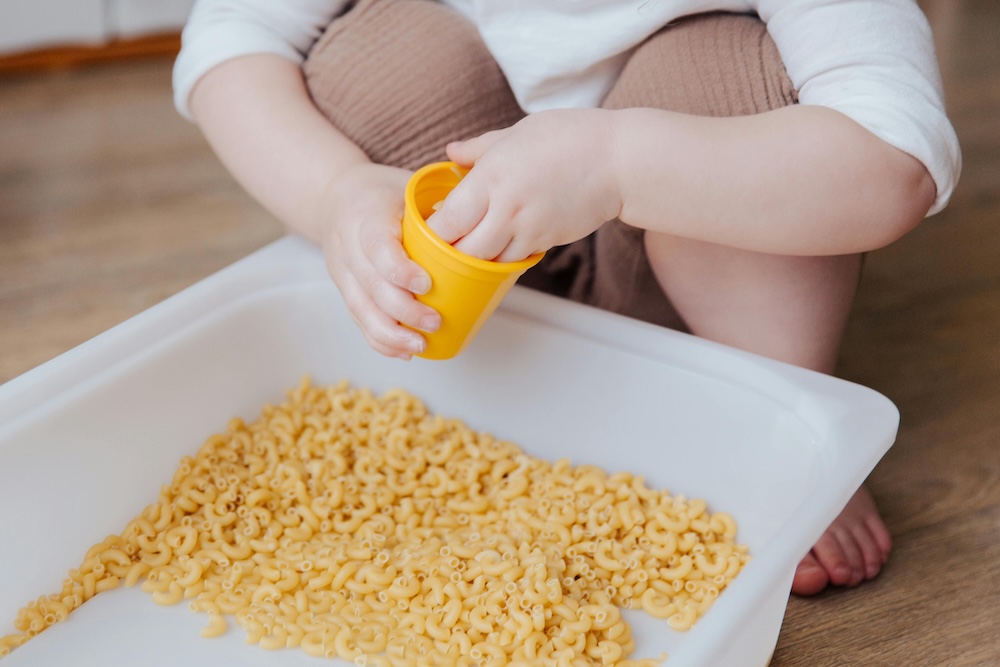
This simple activity can be set up using shoelaces, string, beads or dried pasta. Invite your child to thread the items one by one. This helps strengthen finger muscles, develop hand–eye coordination and build the pincer grip needed for writing later on.
Playdough Activities
Provide playdough along with plastic knives, cookie cutters or child-safe scissors. Squeezing, rolling and cutting help to strengthen the muscles in the hands and prepare children for pencil control.
Sticker Peel-and-place Pictures
Not only is this activity easy to set up, it’s also highly engaging. Offer your child a sheet of paper and a variety of stickers, inviting them to create simple pictures or patterns. Peeling and placing stickers supports finger isolation, precision and control.
Cutting Lines and Shapes
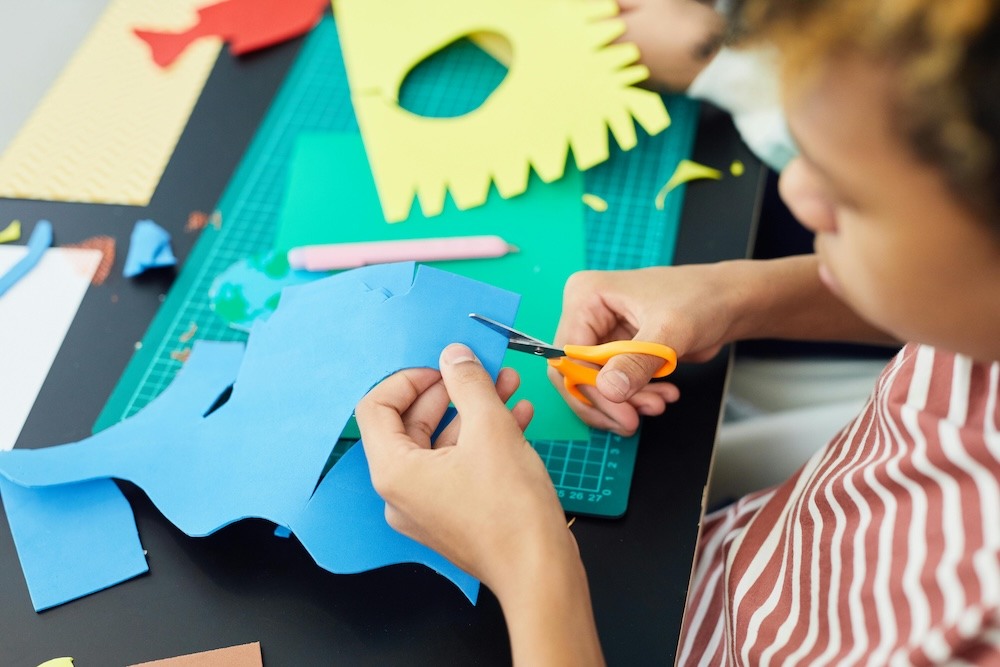
Start by drawing straight lines, zigzags or simple shapes on paper for children to cut along using child-safe scissors. This activity supports bilateral coordination, helping children learn to use both hands in tandem while strengthening visual–motor skills.
Clothespin or Peg Pick-up Activities
Encourage children to use clothespins or pegs to pick up items such as pom-poms or pieces of scrap paper. Then, direct them to clip each piece onto cardboard. The squeezing motion builds hand strength and reinforces the pincer grip required to hold a pencil.
Spoon, Tongs or Tweezer Transfer Activities
Set up two bowls and invite children to move small items, like cotton balls or dry pasta, from one bowl to the other. Using a spoon, child-safe tongs or tweezers helps develop coordination, graded control and sustained focus.
Pre-writing Patterns
Simple pre-writing patterns can be practised by offering thick crayons and inviting children to trace or copy lines, curves and basic patterns. These movements help children rehearse the strokes they will later use when learning to write letters and numbers.
How KiddiWinkie Schoolhouse Nurtures Fine Motor Skills
As a preschool grounded in neuroscience, KiddiWinkie Schoolhouse approaches early education with a deep understanding of how young children learn, play and grow. Within this approach, fine motor development is intentionally nurtured through everyday learning, with activities seamlessly woven into sensory play, early writing experiences and daily routines.
With centres located across Singapore, including our private kindergarten in Jurong East, early years preschool in Bukit Timah and child care centre in Tanjong Katong, families can explore our all-rounded preschool programme by booking a tour. Come and see for yourself how our playgroup curriculum supports fine motor development through hands-on activities and thoughtful routines.
Follow us on social media to stay updated on our latest updates and happenings:


