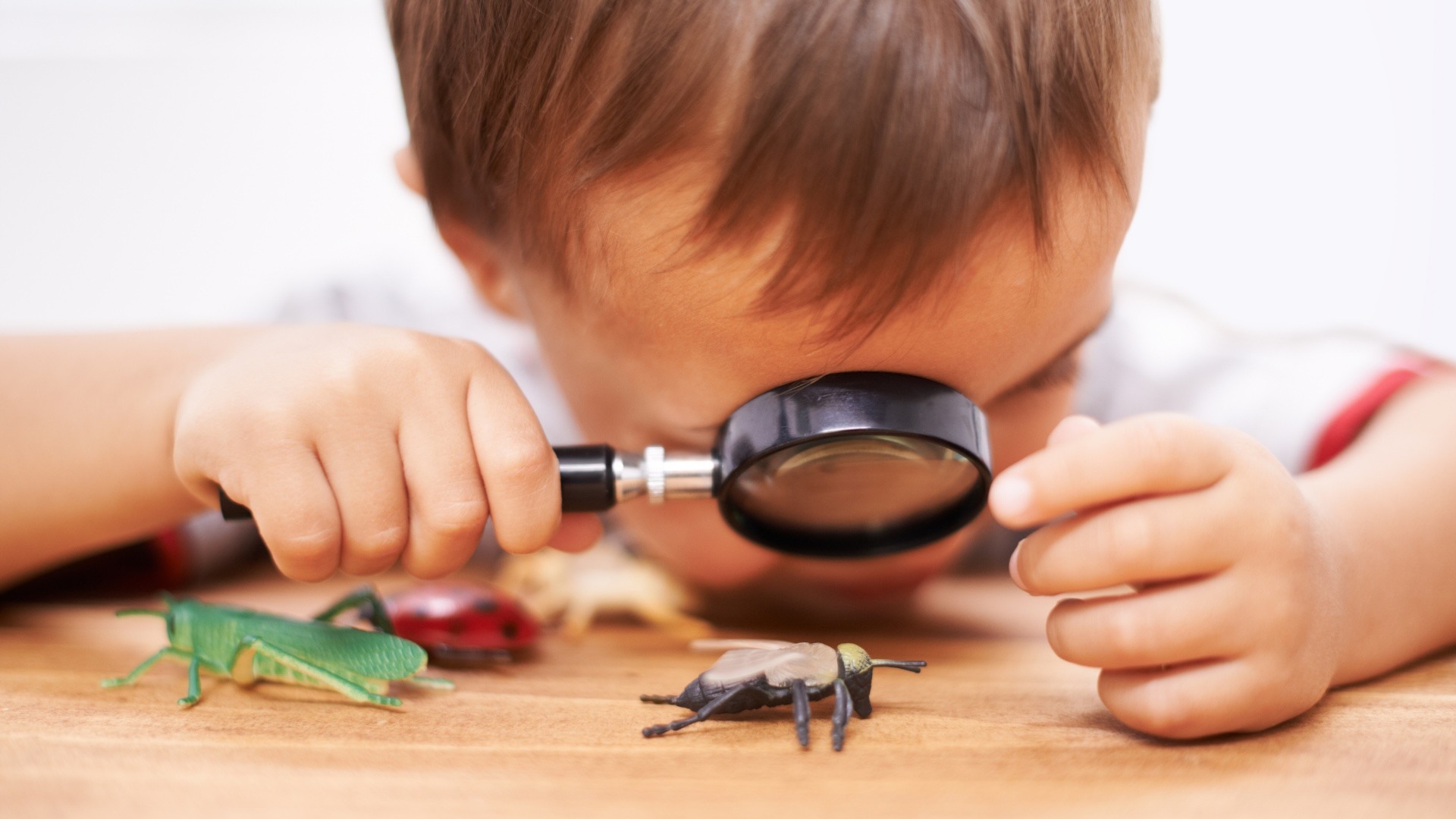
Every parent has witnessed it: a child crouched over a puddle, transfixed by the way light bends across the water's surface. That moment of pure, unfiltered wonder is not simply endearing. It is, according to neuroscience, the engine driving meaningful cognitive growth. Understanding child curiosity, and knowing how to nurture it with intention, is one of the most powerful investments a parent can make in their child's future.
Why Curiosity Is the Key to Future-Ready Learning
When a child asks "Why?", something remarkable happens inside the brain. The act of curiosity triggers a dopamine response, priming the brain to absorb and retain new information far more effectively than passive instruction ever could.
This is precisely why cultivating an inquisitive mind today builds the neural scaffolding children will rely on for advanced problem-solving and critical thinking in their primary school years and beyond. At KiddiWinkie, Inquiring Minds is a core curriculum pillar, ensuring children learn not just to recall facts, but to seek meaning behind them.
Educators introduce "provocations," such as an unusual seashell placed beside a magnifying glass, or a jar of soil near a window, to spark spontaneous investigation. Equally important is the gift of time. Children are given the freedom to linger on a discovery, to return to it, and to sit with their questions without being hurried to the next activity.
Validated by Babilou Family's Scientific Education Committee
KiddiWinkie's programmes are validated by Babilou Family's scientific education committee, a global body of experts in early childhood neuroscience, developmental psychology, and pedagogy. Their ongoing research ensures that learning experiences at KiddiWinkie reflect how children's brains actually develop, keeping our investigative play routines age-appropriate and cognitively stimulating for each stage of development.
3 Simple Ways to Encourage Curiosity in Your Child at Home
Model Wonder. Replace statements with open-ended musings: "I wonder why the moon looks different each night?" invites your child to think alongside you.
Value the Process over the Result. Celebrate how your child explored a material, not just what they produced. The journey is where the learning lives.
Create a "Yes" Environment. Allow safe, messy, open-ended play at home. A child given the freedom to explore a tray of sand or a bowl of water is a child learning to investigate the world.
Seeing Curiosity in Action: What It Looks Like at Our Centres
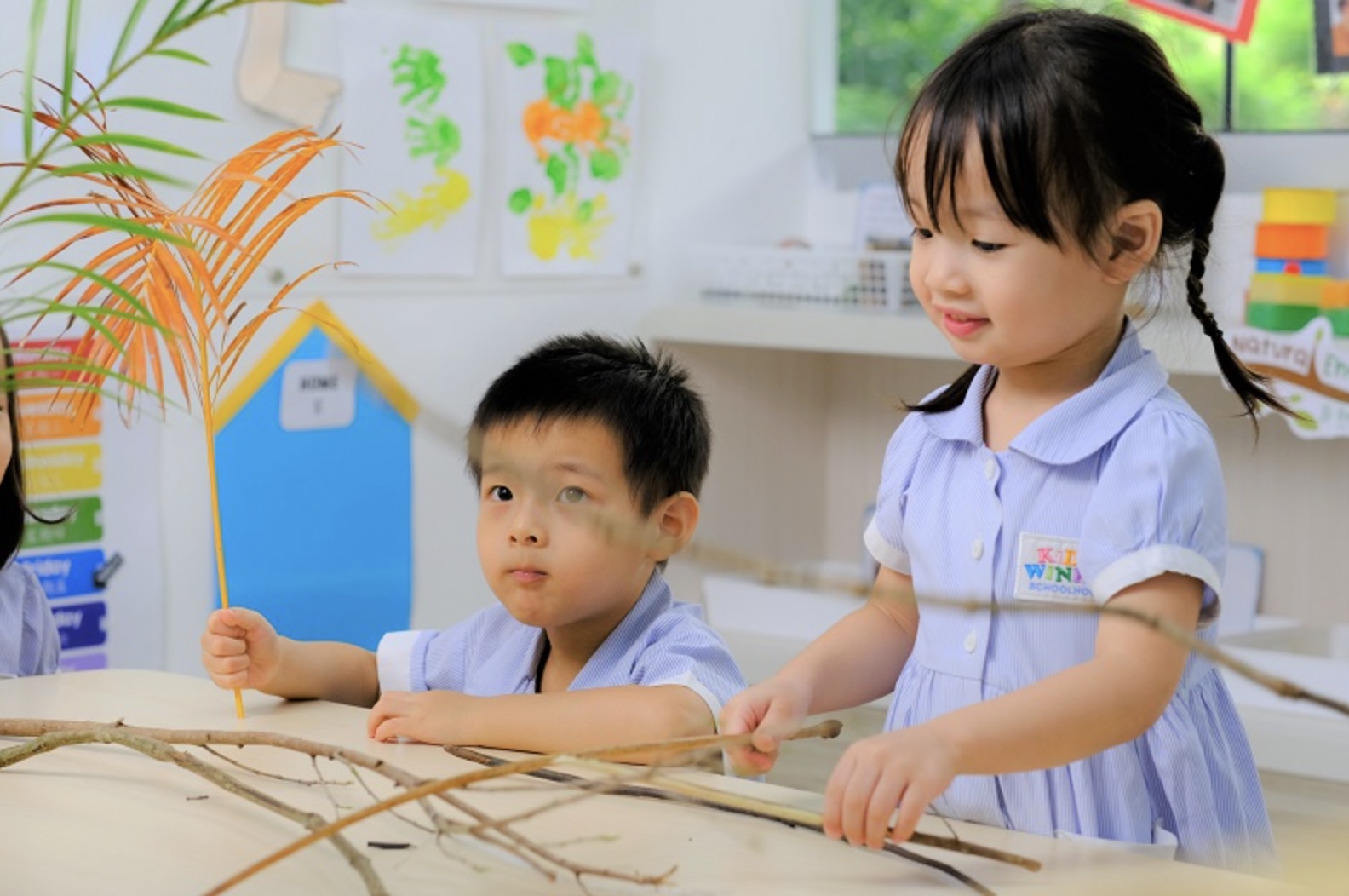
Step into a KiddiWinkie classroom and you will not find a teacher at the front of the room delivering a lesson. You will find educators beside children, crouching at their level, asking "What do you think happens if...?" Our educators are facilitators, guiding each child's inquiry rather than directing it.
Outdoors, this curiosity extends naturally into our Nature-Based Learning pillar, where wonder about nature cultivates a genuine sense of responsibility for the planet and the living things within it.
Nurturing the Spark That Lasts a Lifetime
Child curiosity is not a phase to be managed. It is a gift to be nurtured with scientific understanding and deliberate intention. Supported by a globally recognised scientific education committee and grounded in our Sustainable Education® approach, KiddiWinkie Schoolhouse is uniquely equipped to protect and develop that spark. Whether it’s our playgroup curriculum or our private early childhood preschool, every stage is designed with your child's learning and growth in mind.
Ready to see the inquisitive mind in action? Explore our programmes, book a centre tour, or join us at our next open house to experience our science-based classrooms for yourself.


