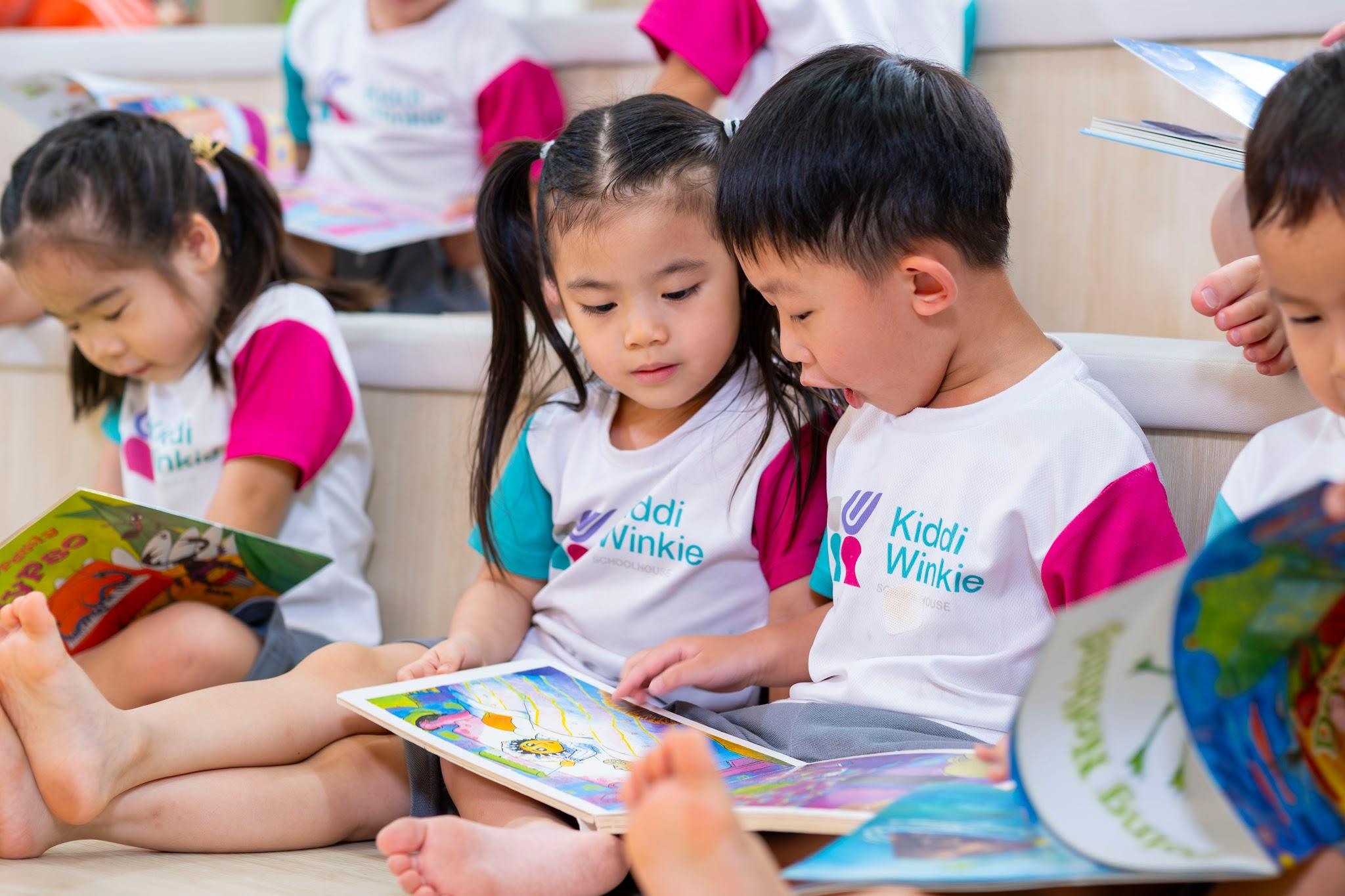
When parents begin researching the preschool years, certain questions tend to come up. Can my child hold a pencil? Do they know their letters? Are they ready to sit and listen? These feel concrete and measurable. Meanwhile, social and emotional development is rarely the first thing parents ask about. It tends to get treated as a given; something good schools take care of in the background, while the real learning happens elsewhere.
Developmental neuroscience tells a more complete story. A child's capacity to understand and manage their own emotions, build relationships, and navigate social situations is woven into the same architecture as cognitive development. For parents exploring what preschools in Singapore can offer, understanding what social-emotional learning actually is and how it develops matters as much as any question about the curriculum.
What Social-Emotional Learning Actually Covers
Social-emotional learning, or SEL, refers to the set of capacities that allow a child to recognise and manage their own emotions, feel and show empathy, build positive relationships, and make considered decisions. These are learnable capacities that develop through experience, modelling, and consistent practice, rather than fixed traits some children arrive with and others simply lack. The quality of the environments in which children spend their early years shapes these capacities directly and lastingly.
How SEL Develops in the Preschool Years
Understanding how SEL develops in young children means looking at three processes that form the foundation of emotional and social competence.
1. Emotional Vocabulary
Children cannot regulate emotions they cannot name. When educators and parents introduce feeling words naturally through stories, play, and the ordinary moments of the day, they give children the tools to make sense of their inner experience. Emotional awareness in young children builds gradually, and the most effective social-emotional learning activities for kids tend to be embedded in everyday play and conversation rather than delivered as separate lessons.
2. Co-Regulation Before Self-Regulation
Young children do not yet have the neurological capacity to manage strong emotions independently. They learn to regulate first by borrowing the calm of a trusted adult, a process developmental researchers call co-regulation, before gradually internalising the skill as their own. This is why the relationship between a child and their educators is so central to early social and emotional development. A child who feels genuinely seen and supported is building the internal model that will eventually become self-regulation.
3. Peer Relationships and Conflict as Learning Opportunities
Disagreements over toys, hurt feelings, and moments of social friction are among the most valuable social-emotional learning activities children will encounter in the preschool years, precisely because they are real. Navigating these moments, with the calm and consistent guidance of a skilled educator, is how children develop genuine social competence. The skills built through this kind of supported experience are far more durable than anything that could be practised in a controlled setting.
What to Look for in a Preschool's Approach to Social-Emotional Learning
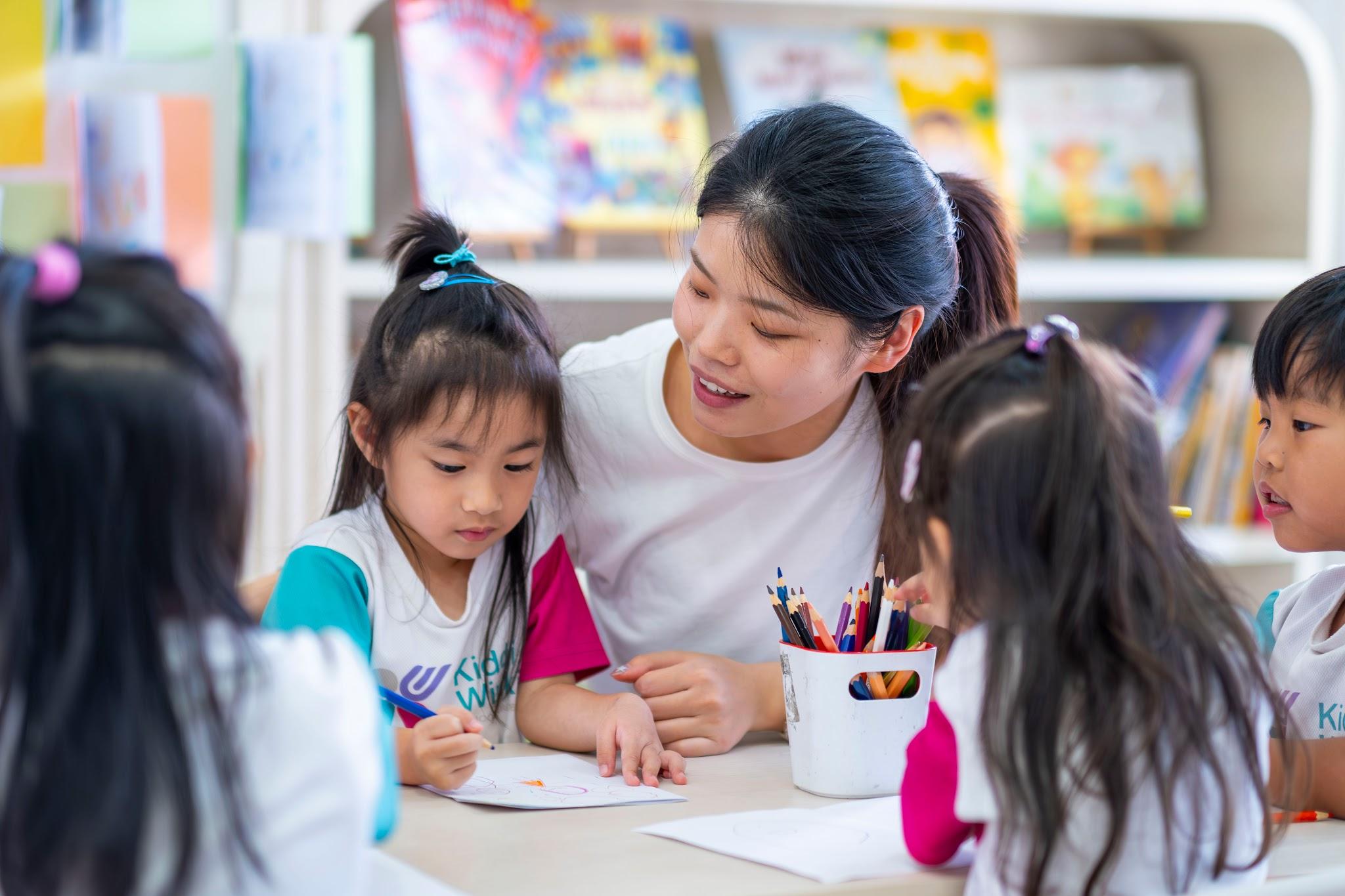
When visiting a private kindergarten in Singapore, pay attention to how educators respond to big emotions and moments of conflict. A school with a genuine commitment to social and emotional development guides children through their feelings rather than simply managing their behaviour.
Look for consistent language about emotions, routines that acknowledge how children arrive at the start of the day, and educators who model calm rather than demand it. These repeated, small interactions reveal far more about a school's culture than any prospectus can.
How KiddiWinkie Schoolhouse Nurtures Social-Emotional Learning
At KiddiWinkie Schoolhouse, social and emotional development sits at the heart of our Winning Hearts™ pillar, one of the three dimensions of our Natural Rhythm® pedagogy. Rather than confining SEL to a dedicated lesson slot, we embed it across the full day: in how educators respond to children during arrivals, in how our playgroup curriculum is designed to support guided social interaction, and in the relationships children build through every shared experience from Playgroup through to Kindergarten 2.
As a private kindergarten chosen for high-quality early education programmes, we believe the foundations of learning are emotional as much as cognitive. Book a centre tour or join us at an upcoming Open House to observe how our educators engage with children's emotional lives throughout the day.


