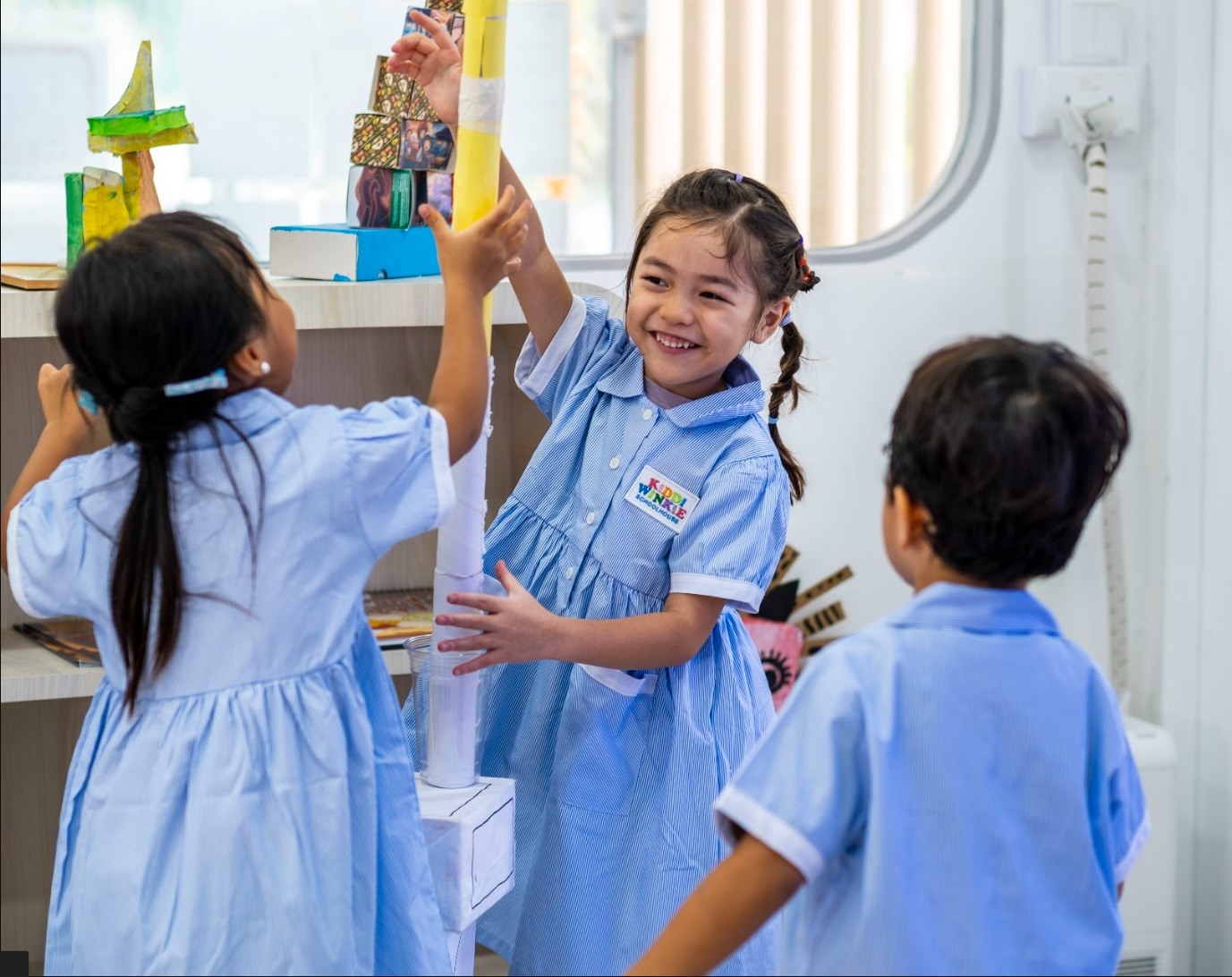
Every parent knows the moment. A puzzle piece that will not fit. A zip that refuses to close. The small, concentrated effort on a child's face, and the sound of frustration that is almost impossible not to respond to.
But the urge to smooth every obstacle away can quietly remove the very experience that helps a child grow. Resilience in kids is not built through ease; it develops through difficulty met, managed, and worked through. This is a case for stepping back on purpose and a look at why the best early childhood environments deliberately make room for struggle.
The Difference Between Productive Struggle and Overwhelm
Productive struggle is not the same as leaving a child to flounder. For kids, what builds resilience is challenge in the right range: hard enough to stretch a child, not so hard it defeats them before they begin. A child who is genuinely overwhelmed cannot learn from the experience. They can only survive it.
The adult's real job is calibrating that level rather than erasing the difficulty altogether. The goal is a child working at the edge of their ability, not one who has been rescued into helplessness or pushed past the point where learning is possible.
How Struggle Builds the Brain and Character
When a child works through something difficult, they are practising skills that matter far beyond the puzzle or the zip. Persistence. The ability to try a different approach when the first one fails. The willingness to keep going when something is hard. These are not personality traits a child is born with or without; they are built through repetition, and small everyday frustrations are exactly where that building happens.
There is one condition that makes all of this possible. Children can only tolerate genuine challenge when they feel safe enough to try in the first place, which is why the Care pillar of our Natural Rhythm® pedagogy sits at the centre of everything we do. Warmth and challenge are not opposites. They work together, and a child who feels secure is far more willing to stretch.
What Happens When We Rescue Too Quickly
When that trust is replaced by constant intervention, something quieter happens. A well-meaning rescue carries a message the child absorbs without words: you cannot do this without me. Over time, that message builds a quiet dependence, chipping away at confidence not through failure but through never being trusted to try.
The contrast is something every parent has felt when a child finally wrestles something into place. That specific, earned pride is where your kids' resilience takes root. It is not given; it is arrived at.
Support That Steps Back, Not Away
Skilled educators do not remove difficulty; they offer just enough support to keep a child moving through it. A question instead of an answer. Encouragement instead of a takeover. Scaffolding that fades as competence grows.
In practice, this might look like an educator crouching beside a child who is struggling to stack blocks and asking, "What do you think might happen if you tried a different shape at the base?" rather than adjusting the blocks for them. It might look like noticing when a child is close to giving up and offering a quiet word of encouragement rather than stepping in. Or simply watching, with patience, while a child works through the problem on their own terms.
At KiddiWinkie, this approach is woven into how we design each day across our early learning preschool programmes, playgroup centres, and nursery class settings in Singapore. Educators act as co-learners and guides: present enough for safety, restrained enough for the child to do the real work.
How to Build Kids' Resilience at Home
The same instinct that shapes how our educators respond to a struggling child can guide moments at home, too. Resilience in kids grows through everyday experience, and small shifts in how you respond can make a meaningful difference over time.
- Pause before stepping in. Count silently to ten before offering help. More often than not, a child will find a way through.
- Offer a question instead of a solution. "What could you try next?" keeps the thinking with the child, which is where it needs to be.
- Name the feeling. When a child knows that frustration is normal, "I can't do this" shifts naturally to "this is hard right now," and that small shift matters.
- Praise effort and strategy, not just outcomes. "I noticed you kept trying even when it was difficult" builds something more durable than praising the result alone.
- Let small frustrations run their course. The shoelace that won't tie, the crayon that breaks, the block tower that falls: these are not problems to fix. They are the practice.
Building a Capable Child, One Small Stretch at a Time
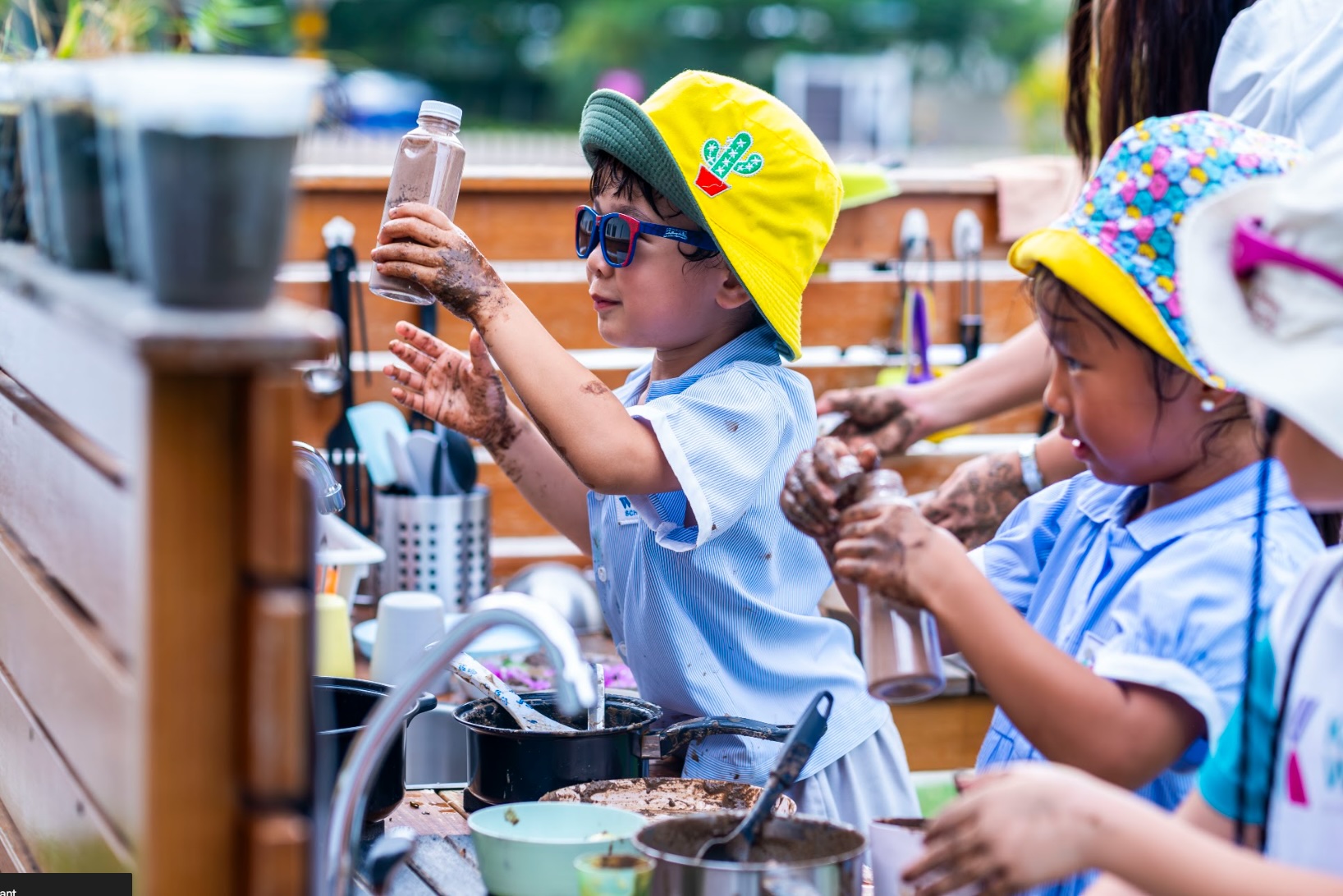
Stepping back is trusting a child to grow into someone who can work things out, someone who meets difficulty with curiosity rather than retreat. That capacity builds slowly, through hundreds of small moments, and it begins long before Primary 1.
At KiddiWinkie, we weave genuine warmth and purposeful challenge into every part of the day. Book a tour at a centre near you, or join an upcoming Open House to see how this unfolds in practice.


