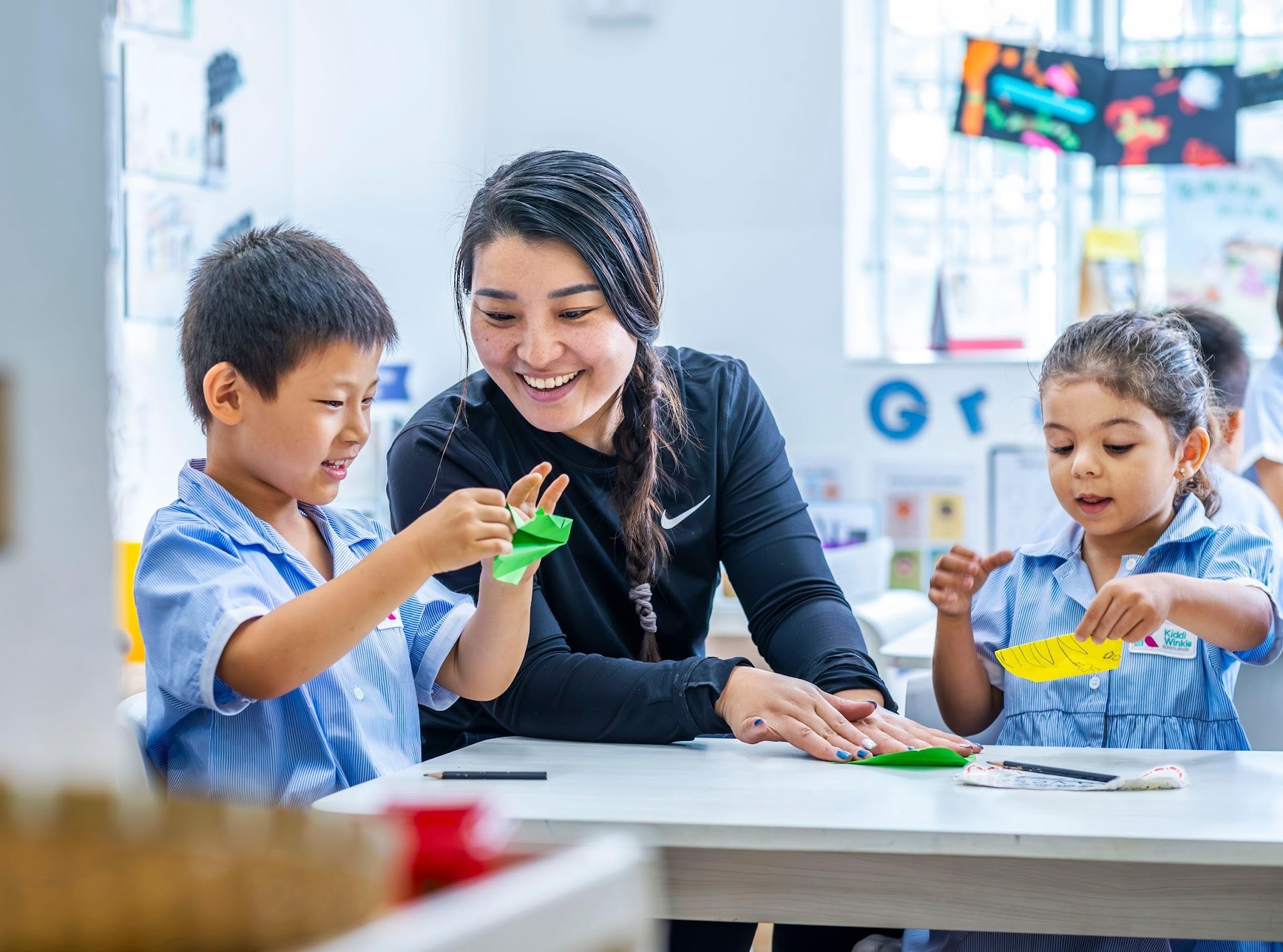
Every parent has lived through it. The tight grip on your sleeve at the gate, the wobble in the voice, the small face that crumples the moment you turn to leave. It can be one of the hardest parts of the early years, and it often arrives with a worry: Have I done something wrong, or is my child simply not ready?
Here is the reassurance worth holding onto from the start. Those tears at the gate are evidence of something that has gone right. Separation anxiety is one of the clearest signs that your child has formed a strong, healthy bond with you, and it reflects attachment doing exactly what it is meant to do. Understanding why it happens, and how to ease it can make the whole experience feel less daunting.
Why Separation Anxiety Happens in the Preschool Years
Separation anxiety in toddlers and preschoolers is rooted in two developments unfolding at once. The first is emotional. As your child grows, the bond between you deepens, and with that closeness comes a natural reluctance to be apart.
The second is cognitive. Somewhere in these years, children come to understand that when a parent leaves, they are gone for a while, even though they will come back. Holding both ideas at once, the missing and the waiting, is genuinely demanding for a young mind.
This is why separation anxiety tends to surface around change. A new routine, an unfamiliar environment, the first weeks at a new centre, or any shift in the rhythm of the day can all bring it to the surface. There is nothing random about it. Your child's emotional world is responding, quite reasonably, to something new.
How Separation Anxiety May Show Up
Every child expresses it differently, though a few patterns are common. There may be clinginess at drop-off, a reluctance to let go, or tears that arrive the moment a goodbye feels close. Some children grow quiet and hesitant rather than tearful. Others settle within minutes of a parent leaving, even after a difficult farewell.
What matters most is knowing that these reactions are temporary and situational. They reflect a particular moment and a particular transition, not a fixed feature of who your child is. A child who struggles at the door one week often walks in happily the next. The difficulty belongs to the situation, and situations change.
Practical Ways Parents Can Support Their Preschooler
When it comes to learning how to help toddlers with separation anxiety, the most effective approaches are also the calmest. Children take their emotional cues from the adults they trust, so the steadier the goodbye, the safer the moment feels. A few simple habits make a real difference.
- Keep goodbyes brief and predictable: A short, warm, consistent goodbye, whether it is the same few words or the same small ritual each day, gives your child something reliable to hold onto. Long, emotional departures, however loving, tend to stretch the hardest moment longer than it needs to be.
- Build trust by reassuring them of your return: Telling your child when you will be back, and then arriving when you said you would, teaches something powerful. Goodbyes are followed by reunions, and over time, that pattern becomes a quiet certainty your child carries through the day.
- Avoid slipping away unseen: Leaving without a goodbye may feel like it spares everyone the tears, yet it can leave a child unsure about when partings happen at all, which often makes the next drop-off harder. A clear, confident goodbye, even a tearful one, is gentler in the long run than a quiet disappearance.
A calm goodbye signals that this is normal and manageable, and children absorb that message quickly.
How Preschool Environments Help Ease Separation Anxiety
A child's surroundings shape how safe they feel, and that sense of safety is what makes settling possible. When the brain encounters something unfamiliar, the amygdala, the part of the brain that scans for threat, becomes more active, and access to the thinking, exploring part of the brain narrows. A child who does not yet feel safe cannot easily settle, play, or engage. This is why the emotional quality of a setting matters for managing toddler separation anxiety at preschool.
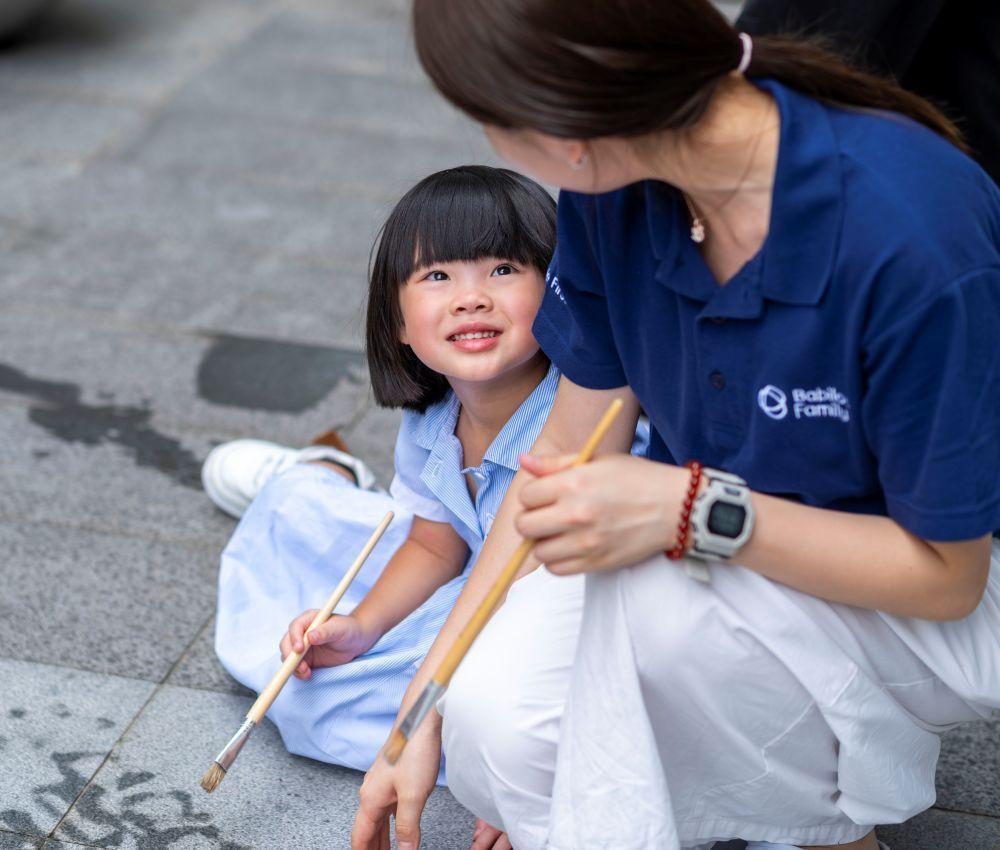
Supportive centres ease this in practical ways. Consistent daily routines make the unfamiliar predictable. Familiar educators, present day after day, become trusted faces a child can rely on. Warm, welcoming spaces invite rather than overwhelm. Above all, it is the relationship between educator and child that does the quiet work of reassurance. When a child knows there is a caring adult who notices them, greets them by name, and stays close in the early days, the distance from home feels much narrower.
When Separation Anxiety Improves, and What Parents Can Expect
The encouraging reality is that most children settle, and often sooner than anxious parents expect. As trust builds and the new environment becomes familiar, the morning tears tend to soften and then fade. Each positive experience and every reunion that arrives just as promised adds another layer of confidence.
There may be a smooth week followed by a harder Monday, or a wobble after a holiday or a few days away from the centre. None of that undoes the progress already made. Patience and consistency remain the two most reliable supports you can offer. Given time and a steady rhythm, children naturally settle.
How KiddiWinkie Schoolhouse Supports Children Through Transitions
At KiddiWinkie, emotional security is where learning begins, which is why Care sits at the heart of Natural Rhythm®, our proprietary pedagogy. Familiar educators, predictable rhythms, and warm, welcoming spaces ease every move from home to centre, from our infant care services and playgroup curriculum through our nursery class and premium kindergarten programme.
Separation anxiety is a normal part of independence and a sign of strong attachment rather than poor readiness. With patience and a steady partnership between home and centre, your child will find their feet. Book a tour at one of our private childcare centres and see how a morning at KiddiWinkie unfolds.


